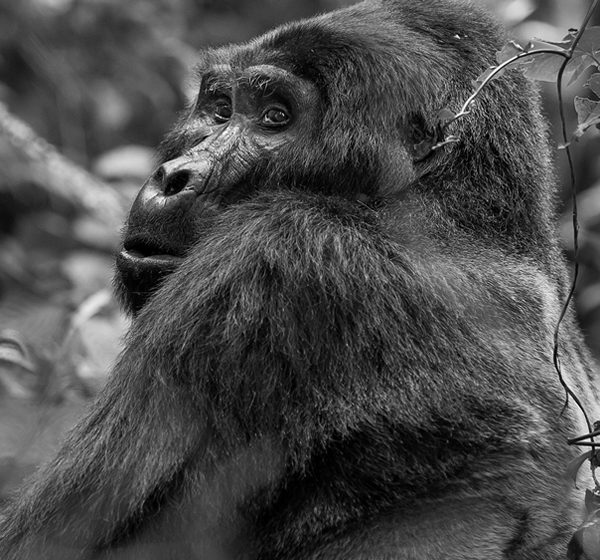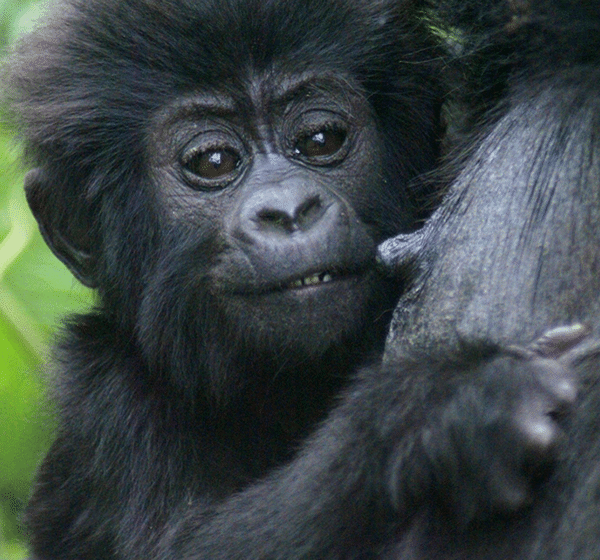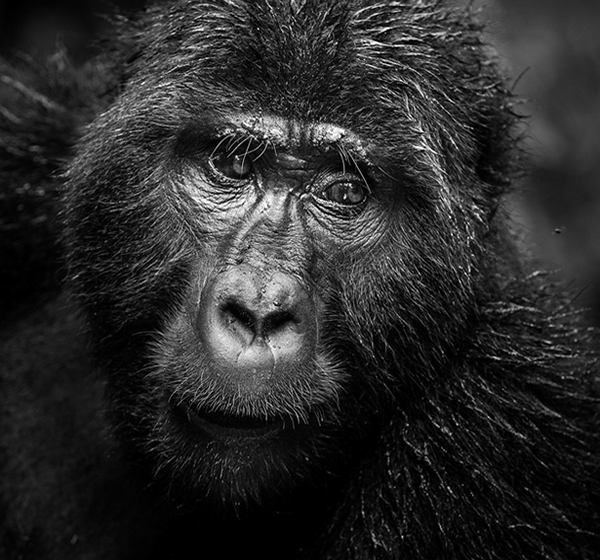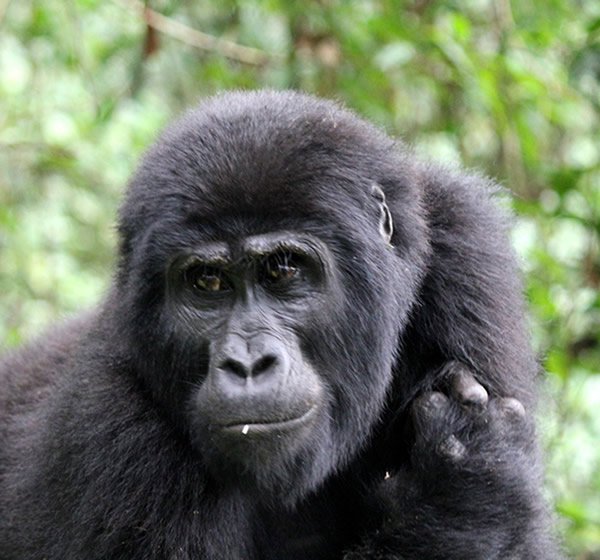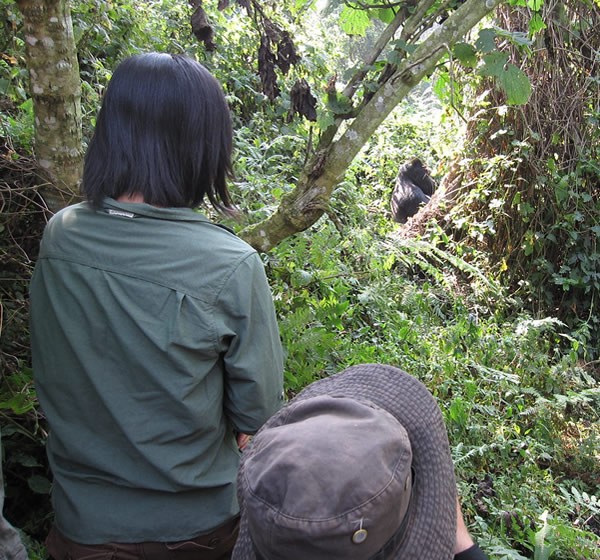
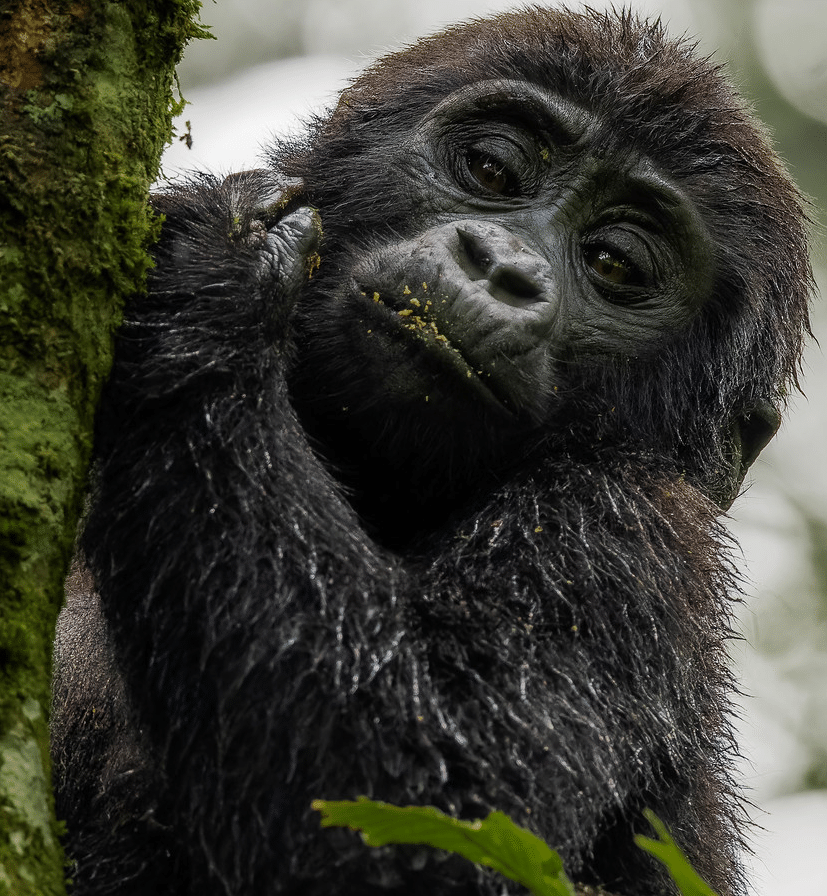
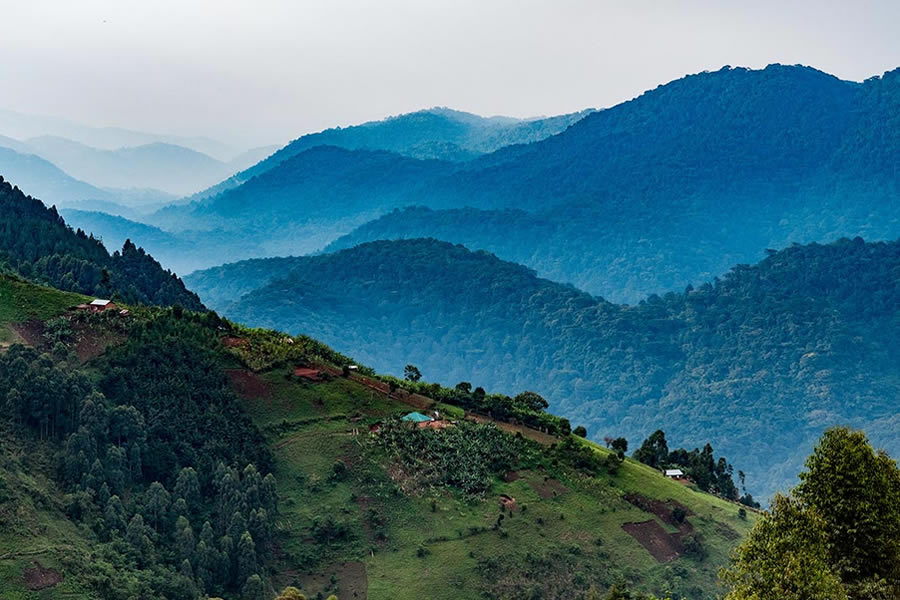
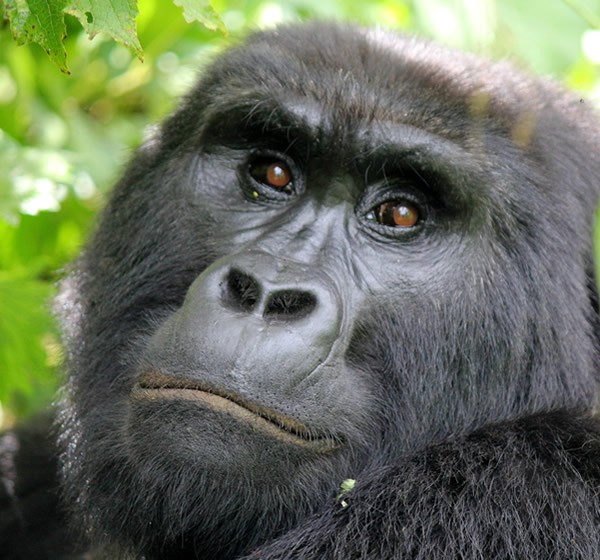
Gorilla trekking safaris let you hike through dense mountain forest to spend an hour with endangered mountain gorillas in the wild. In Rwanda, treks start from Volcanoes National Park, near Musanze, about two hours from Kigali. Uganda offers Bwindi Impenetrable Forest and Mgahinga Gorilla National Park, with treks that are often longer and more rugged. Small groups, usually eight people per gorilla family, are led by trained guides and trackers. Permits are required and limited, and they fund conservation and local communities. Rwanda’s permits cost considerably more than Uganda’s, but Rwanda is easier to reach, and its hikes can be shorter. Book well in advance.
Rwanda - Volcanoes Park
Gorilla trekking in Rwanda takes you into Volcanoes National Park, where guides lead small groups through bamboo forest and misty slopes to meet habituated mountain gorillas. You spend one regulated hour observing them up close. Permits are limited and costly, but proceeds fund conservation and local communities.
Uganda - Bwindi & Mgahinga
Gorilla trekking in Uganda takes you into Bwindi Impenetrable or Mgahinga National Parks, where guides lead small groups through dense forest to see endangered mountain gorillas. You get about an hour with a habituated family. Permits are required, treks vary in difficulty, and fees support conservation and local communities.
- Gorilla Trekking Adventures
- Double Gorilla Trekking Tours
- Gorilla Habituation Experiences
- Luxury Gorilla Safaris
- Fly in Gorilla trekking Safaris
- Gorillas and Widllife Safaris
Najja Shopping Centre - Entebbe Rd.
info@gorillastrekafrica.com
Mon — Fri: 8:00 am — 11:00 pm
Gorilla Trekking in Rwanda and Uganda
Gorilla trekking is one of the world’s great wildlife encounters: a guided hike into montane forest to spend a regulated hour with wild mountain gorillas. Only about 1,000 remain, split between the Virunga Massif (shared by Rwanda, Uganda and the DRC) and Uganda’s Bwindi Impenetrable National Park. Rwanda and Uganda are the two most popular and best-organized destinations.
Rwanda: Volcanoes National Park
Located in the north-west, about two to three hours’ drive from Kigali, Volcanoes National Park sits on the slopes of the Virunga volcanoes. Its appeal is accessibility. You can leave Kigali in the morning, trek, and be back in the capital by evening. Treks here are often shorter and the terrain, while steep and muddy in places, is generally gentler than Bwindi’s. The park is home to around a dozen habituated gorilla families, including the famous Susa group, which was once studied by Dian Fossey. Rwanda’s permits are the most expensive, at $1,500 per person, though the fee funds conservation and community projects. Extra activities include golden monkey tracking, hikes to Dian Fossey’s grave and climbs up volcanoes such as Bisoke.
Uganda: Bwindi and Mgahinga
Uganda offers more choice and lower prices. Bwindi Impenetrable National Park, a UNESCO World Heritage Site, protects roughly half the world’s mountain gorillas across several trekking sectors (Buhoma, Ruhija, Rushaga and Nkuringo). The forest is dense and ancient, and treks can last from one to eight hours depending on where the gorillas are that day. Permits cost about $800 for foreign non-residents, making Uganda the more budget-friendly option. Uganda also allows gorilla habituation experiences, where you spend up to four hours with a group still becoming accustomed to humans. Mgahinga Gorilla National Park, in the far south-west, is smaller and offers a quieter alternative.
What to Expect
Groups are limited to eight visitors per gorilla family, and the hour with the animals is strictly timed. You’ll keep a distance of at least seven metres, avoid flash photography and wear a mask if you’re ill, since gorillas are susceptible to human respiratory diseases. Trackers and guides lead the way, and porters can be hired to carry your bag and help on steep slopes, which also supports local livelihoods.
Practical Tips
Book permits months ahead, especially for the dry seasons (June to September and December to February). Good waterproof hiking boots, gardening gloves, long sleeves and trousers, and rain gear are essential, as the forests are wet, steep and full of stinging nettles. Reasonable fitness helps, though porters and a slow pace make the trek manageable for most people.
Which to Choose?
Choose Rwanda for convenience, polished infrastructure and luxury lodges. Choose Uganda for lower costs, more variety and the chance to combine gorillas with chimpanzee tracking, savannah game drives and Queen Elizabeth National Park. Many travelers combine both countries in one trip. Permit prices and rules change, so confirm current details with the Rwanda Development Board or Uganda Wildlife Authority before booking.