Nyungwe National Park covers roughly 1,000 square kilometres of montane rainforest in Rwanda’s southwest, along the border with Burundi. It forms a continuous forest block with Burundi’s Kibira National Park. It is one of the oldest and best-preserved rainforests in Africa, thought to have survived the ice ages when much of the continent’s other forest cover shrank. It was gazetted as a national park in 2004, after earlier protection as a forest reserve, and it is now one of Rwanda’s main conservation areas and a major water catchment. Its streams feed both the Congo and Nile basins, and its Rukarara and Bugarama waters are often cited among the contenders for the most remote source of the Nile.
Popular Tourist Attractions
Chimpanzee trekking. The park’s headline activity. Habituated chimp communities are tracked on foot, usually starting early from Uwinka or Gisakura. Treks over steep forest can be strenuous, lasting a couple of hours to most of a morning. Sightings aren’t guaranteed, but success rates are good. Cyamudongo, a far-southwest forest fragment, offers another community.
Canopy Walkway. This suspended walkway, about 160 metres long and 60 to 70 metres up, was East and Central Africa’s first. Near Uwinka, it’s a short walk along the Igishigishigi trail. Birders love it for canopy-level views. It’s less intimidating than it sounds, though those afraid of heights may struggle.
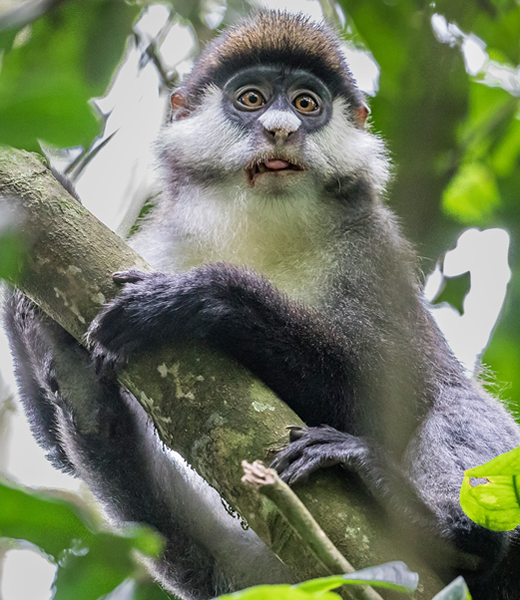
Colobus monkey tracking. A huge troop of Angolan colobus, sometimes hundreds strong, is a striking sight. Other primates include L’Hoest’s, owl-faced, blue and silver monkeys, grey-cheeked mangabeys and olive baboons.
Hiking trails. Guided, well-marked trails range from one-to-two-hour walks (Igishigishigi, Karamba, Irebero) to Isumo Waterfall, Kamiranzovu Swamp and the all-day Bigugu climb. Tea estates and culture. Gisakura and Gisovu plantations offer tours and tastings; community tourism supports local people.
Nyungwe can be visited year-round, but conditions vary. As a rainforest at altitude, it is damp and cool at any time, so rain gear and warm layers are always advisable.
The driest months are June to August (the long dry season) and December to February (the short dry season). Trails are less muddy, there are more clear spells for views, and trekking is generally more comfortable. These are the most popular periods, so lodging and permits are in higher demand and should be booked well ahead.
The rainy seasons run roughly March to May and September to November. Trails can be slippery and visibility poorer, but the forest is lush, crowds are thinner, and some lodges offer lower rates. Chimp trekking still runs in the rain, and migratory birds arriving from Europe and Asia make the wetter months good for birding. Mornings are typically the clearest part of the day in any season, which is another reason early starts are standard. Temperatures in the park generally range from about 10°C to 20°C, with chilly nights and mornings.
Accommodation clusters around the park’s main entry points, especially near Gisakura on the northern side, close to the tea estates and about a short drive from the Uwinka reception centre.
Luxury
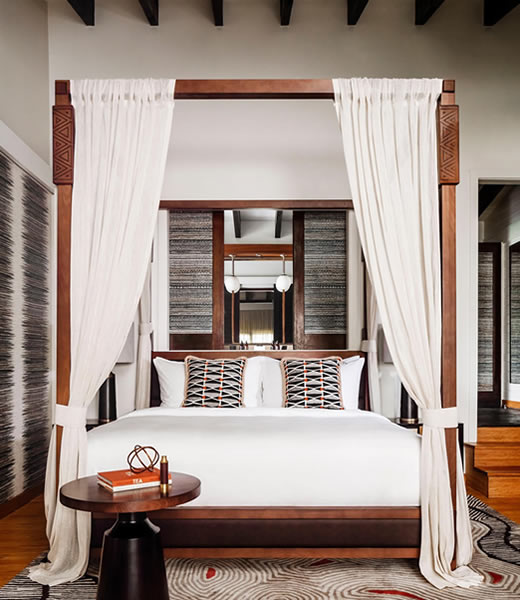
One&Only Nyungwe House is the park's top-end option, set on a tea estate at the forest's edge with its own private trails, a spa and high-end service. Nyungwe Forest Lodge is another upscale choice in the same area, with comfortable rooms and forest views.
Mid-range:
Nyungwe Top View Hill Hotel near Gisakura offers good views, a restaurant and a relaxed atmosphere, making it a common choice for independent travellers and small groups. Nyungwe Nziza Ecolodge is another well-regarded mid-range option.