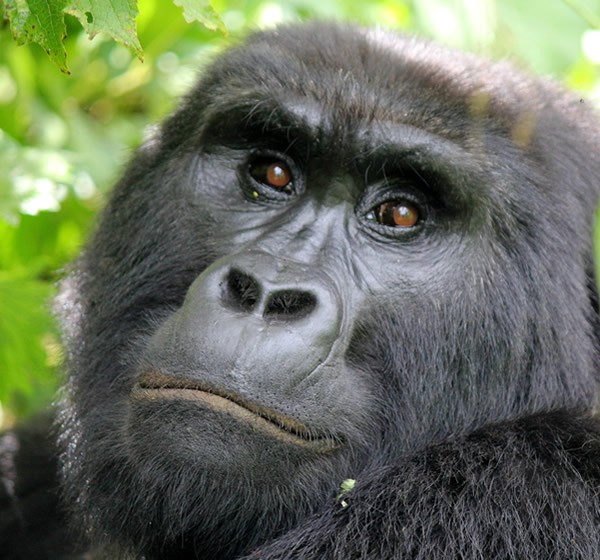
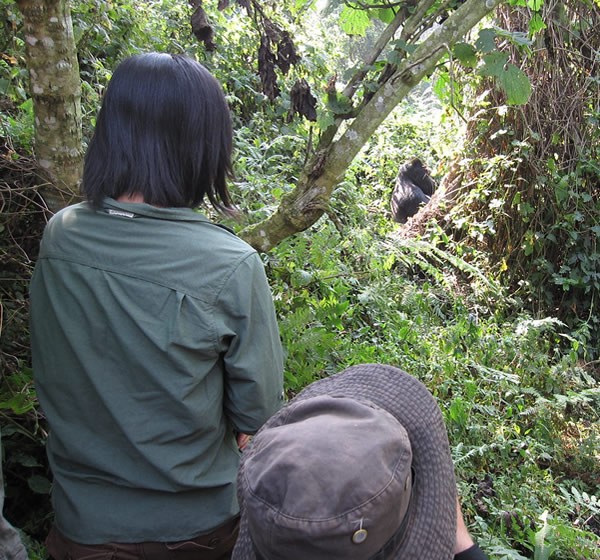
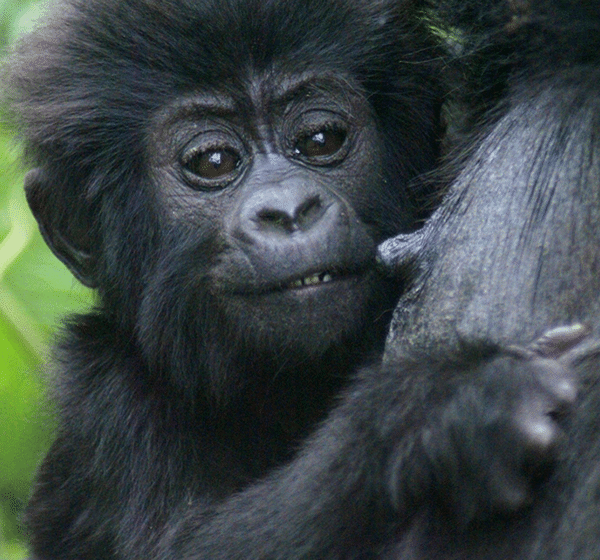
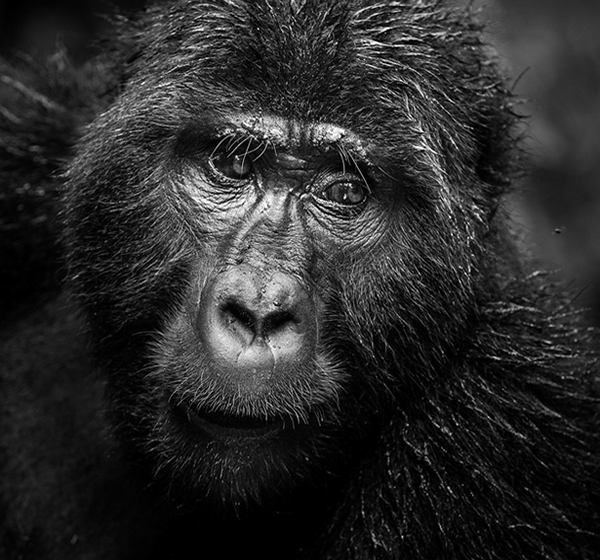
Bwindi Impenetrable National Park, a UNESCO World Heritage Site in southwestern Uganda, has several tourism sectors: Buhoma, Ruhija, Rushaga, and Nkuringo. Gorilla habituation experiences are offered in the Rushaga sector, in the southern part of the park near Kisoro and Kanungu. Rushaga is the only sector in Bwindi where tourists can currently take part in habituation, and it is also one of the few places in the world where this is possible.
Rushaga is well suited to the experience because it has the largest number of gorilla groups in Bwindi, including both habituated groups open to regular trekking and groups undergoing habituation. The specific group in the habituation process changes over time as groups complete the process and new ones begin, so confirm with UWA or your tour operator which group is currently in habituation. Visitors usually stay in lodges around Rushaga, and the trek begins at the sector’s habituation briefing point, often early in the morning.
What is the best time for gorilla habituation?
Habituation can take place year-round, because the gorillas are tracked every day regardless of season. The best time to visit, however, is during the dry seasons:
- June to September (long dry season)
- December to February (short dry season)
During these months the trails are less muddy and slippery, which matters in Bwindi’s steep, thickly forested terrain. Visibility and photography conditions are better, and the long hours of the habituation experience are more comfortable. Trackers also find the gorillas more easily when the ground is dry.
The wet seasons, roughly March to May and October to November, bring heavy rain, slippery slopes, and more challenging conditions. Visits are still possible and often rewarding, with fewer tourists, lusher scenery, and sometimes easier permit availability, but you should be prepared for mud and rain and bring waterproof gear.
Since permits for habituation are limited, book well in advance, especially for the dry months. Whatever the season, expect a physically demanding day: you may hike for hours through dense vegetation at altitudes above 2,000 meters, so good fitness, sturdy boots, long sleeves, and gardening gloves are essential.
Conclusion
Gorilla habituation is the patient work that makes close, safe gorilla encounters possible, and it supports both research and conservation. In Bwindi, the Rushaga sector is where visitors can join this process through the Gorilla Habituation Experience, with the dry months of June to September and December to February offering the most comfortable conditions.