About
Bwindi Impenetrable Forest
Bwindi Impenetrable Forest, in southwestern Uganda near the Congo border, is one of Africa’s premier wildlife destinations. Covering about 320 square kilometres of steep, tangled hills and valleys at 1,160 to 2,600 metres, it lives up to its name.
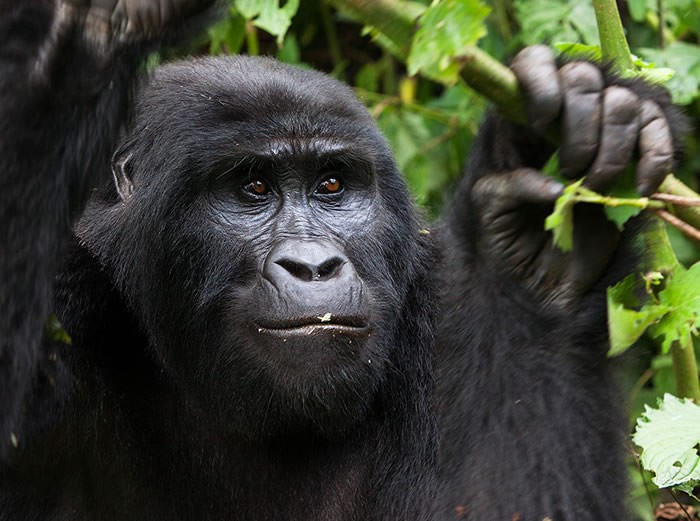
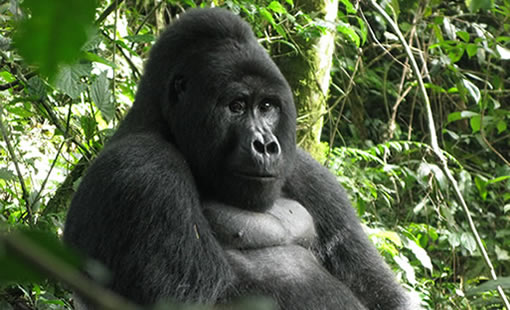
Gazetted as a national park in 1991 and a UNESCO World Heritage Site in 1994, Bwindi is ancient, having survived the last Ice Age. It shelters over 120 mammal species, 350 bird species (about 23 Albertine Rift endemics), roughly 200 butterfly species, and more than 1,000 flowering plants. Bwindi is most famous for its mountain gorillas. Of just over 1,000 remaining worldwide, nearly half live here, making it the species’ most important stronghold.
Gorilla Trekking
Bwindi is located into the southwestern corner of Uganda, along the edge of the Albertine Rift and close to the border with the Democratic Republic of Congo, Bwindi Impenetrable Forest is one of Africa’s most remarkable wildlife destinations. The park covers roughly 320 square kilometres of steep, densely vegetated hills and deep valleys, with elevations ranging from about 1,160 to 2,600 metres.
The forest is believed to have survived the last Ice Age, which allowed an extraordinary range of species to persist here. It shelters over 120 species of mammals, more than 350 bird species (including about 23 Albertine Rift endemics), around 200 butterfly species, and more than 1,000 flowering plants and 200 tree species.
Above all, Bwindi is famous for its mountain gorillas. Just over 1,064 mountain gorillas remain in the wild, and nearly half of them live in Bwindi. The remainder are found in the nearby Virunga Mountains, which straddle Uganda, Rwanda, and the DRC. This makes Bwindi the single most important stronghold for one of the planet’s most endangered great apes.
The park is divided into four main tourism sectors, each with its own gorilla groups and character: Buhoma in the north, Ruhija in the east, Rushaga in the south, and Nkuringo in the southwest. Each has a different feel, terrain, and selection of lodges.
Bwindi is a paradise for birders. The Albertine Rift endemics include the African green broadbill, Rwenzori turaco, Shelley's crimsonwing, and handsome francolin. Trails around Buhoma, the Mubwindi Swamp near Ruhija, and the Neck area are especially productive. Even visitors who do not consider themselves birders often find the forest chorus and bright flashes of colour captivating.
Guided nature walks offer a gentler way to explore. In Buhoma, trails lead to waterfalls and through lush forest where you might spot monkeys such as black-and-white colobus, L'Hoest's monkeys, and red-tailed monkeys, alongside forest elephants, duikers, and an astonishing array of butterflies and orchids. The Habinyanja and Muzabajiro trails are well-known options. A longer route, the Batwa Trail or the Ivi River walk, adds variety and cultural interest.
Visitors can engage with local communities in meaningful ways. The Batwa people, one of Africa's oldest indigenous groups, lived in and depended on Bwindi's forests for generations until they were evicted when the park was created. The Batwa Experience offers a respectful chance to hear their stories, see traditional hunting and honey-gathering techniques, and learn about their songs and medicinal plant knowledge.
For those who want more time with the gorillas, the Gorilla Habituation Experience, available in Rushaga, lets visitors spend up to four hours with a gorilla group that is still being accustomed to human presence. Trekkers accompany researchers and trackers, learning about gorilla behaviour and the habituation process itself. It costs considerably more than standard trekking, and it is aimed at serious enthusiasts and photographers.
5 Days Double Gorilla Trek
5-day Rwanda Nyungwe chimp trek
7-Day Rwanda Luxury Wildlife Safari
Best Time to Visit
Bwindi can be visited year-round, but conditions vary. As a rainforest, it is wet and humid, and rain can occur at any time.
Dry seasons (June to August, and December to February) are generally considered the best times for gorilla trekking. Trails are less muddy and slippery, the hiking is easier, and photographs tend to be clearer. These are also the busiest months, so permits and lodges need to be reserved well ahead, sometimes six months or more.
Wet seasons (March to May, and September to November) bring heavier rainfall, with April and May usually the wettest. Trails become slick and challenging, and some roads can be difficult. However, the forest is lush and green, there are fewer visitors, lodge rates are often lower, and permits are easier to secure. The gorillas themselves do not range as far in the wet season because food is plentiful, which can sometimes shorten treks. Good waterproofs, sturdy boots, and gloves are essential at any time of year.
For birdwatchers, the wet months can be rewarding, particularly November to April, when migratory species are present and many resident birds are breeding.
Best Places to Stay
Accommodation is spread across the four sectors, ranging from luxury lodges to simple community-run camps. Choosing a base close to your trekking permit location saves long, bumpy drives.
Luxury
- Clouds Mountain Gorilla Lodge (Nkuringo): Perched on a ridge with sweeping views over the forest and the Virunga volcanoes in the distance, it is known for its excellent service and breathtaking setting.
- Bwindi Lodge (Buhoma): A well-regarded property close to the Buhoma park entrance, offering comfort and convenient access.
- Gorilla Safari Lodge (Rushaga area): Popular for its comfortable cottages and proximity to the southern trekking groups.
Mid-Range
- Buhoma Lodge and Mahogany Springs (Buhoma): Mahogany Springs offers good value with attractive rooms and a welcoming atmosphere, close to the main trailhead.
- Ruhija Gorilla Lodge (Ruhija): A peaceful option offering views and easy access to the eastern sector, which is also ideal for birders.
- Rushaga Gorilla Haven Lodge (Rushaga): Comfortable and well positioned for the habituation experience and southern treks.
Budget and Community-Based
- Nkuringo Community Camp and Lake Mulehe area lodges: Simple, friendly places that put money directly into local hands.
- Buhoma Community Rest Camp: A basic but welcoming base that supports community projects.
When booking, consider the sector first, since your gorilla permit will be tied to a specific trailhead, and then choose a lodge within a reasonable distance. Many lodges can help arrange permits, porters, and transfers.
Practical Tips
Hire a porter: it supports local families and makes the climb far easier, even if you are fit. Pack layers, long sleeves and trousers to protect against nettles and insects, waterproof gear, and a good pair of hiking boots. Visitors who feel unwell, especially with a cold or flu, may be denied trekking to protect the gorillas. Getting there takes a long drive from Kampala or Entebbe (about eight to ten hours by road), or a shorter charter flight to a nearby airstrip, such as Kihihi or Kisoro. Finally, book permits early, ideally six months or more in advance for peak seasons.
Conclusion
Bwindi Impenetrable Forest is more than a gorilla-viewing destination. It is an ancient, biodiverse ecosystem whose protection depends on responsible tourism, and where every visit contributes to the survival of the mountain gorilla and the wellbeing of surrounding communities. With careful planning, the right season, and a well-chosen base, a trip to Bwindi can be one of the most rewarding wildlife experiences anywhere in Africa.

Details:
- 2 Days Bwindi Gorilla Trek
- 4 Days Bwindi Double Gorilla Trek
- 6 Days Bwindi & QENP
- 12 Days Bwindi & Volcanoes
- 14 Days Uganda Safari Holiday
- 21 Days Best of Uganda Safari
We design a perfect trip
+256 788 661463
Najja Shopping Center Entebbe Rd
info@gorillastrekafrica.com
Mon — Fri: 8:00am — 18:00pm