Our main objective is to provide business owners, agencies,
and freelancers with unparalleled creative autonomy.
Mgahinga Gorilla National Park is Uganda’s smallest national park, covering about 34 square kilometres in the extreme southwestern corner of the country, in Kisoro District near the borders with Rwanda and the Democratic Republic of Congo. It was gazetted as a national park in 1991 and forms part of the Virunga Conservation Area, a transboundary landscape that includes Volcanoes National Park in Rwanda and Virunga National Park in the DRC. Together these protected areas shelter roughly half of the world’s surviving mountain gorillas.
Popular Tourist Attractions
Gorilla tracking. The park’s main draw. Visitors trek through forest and bamboo with a ranger-guide to find the habituated Nyakagezi group, then spend one hour with them. A permit is required, visitors must be 15 or older, and treks last from a couple of hours to a full day. UWA sets permit prices, which change periodically, so confirm current rates.
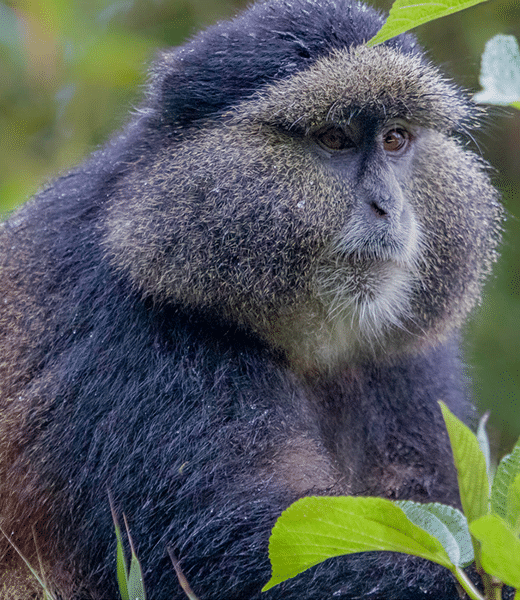
Golden monkey tracking. A cheaper, less strenuous option that pairs well with gorilla trekking. Visitors spend an hour with these playful, photogenic monkeys, and a habituation experience allows longer encounters.
Volcano hikes. Mount Sabinyo’s three-peaked ridge lets you stand in Uganda, Rwanda and Congo simultaneously. Gahinga is the easiest, with a swampy crater lake. Muhabura, the tallest, is tougher but offers sweeping Virunga views.
Batwa Trail. Batwa guides, the area’s original hunter-gatherer forest dwellers, demonstrate traditional hunting, honey gathering and fire-making, and visit Garama Cave. The experience is moving, and income supports the community.
Other activities. Community visits, craft markets and canoe trips on Lakes Mutanda and Bunyonyi; birding and walks at Rugezi swamp and the Sabinyo Gorge trail.
Best Time to Visit
Mgahinga can be visited all year, but conditions vary. The best months are the two dry seasons: June to September (the longer dry season) and December to February. During these periods, trails are drier and less slippery, visibility is better for volcano views and photography, and trekking is generally more comfortable.
The wet seasons, March to May and October to November, bring heavy rain, muddy trails and cloud that can obscure the summits. However, these months have advantages: fewer visitors, lush green scenery, and sometimes discounted permits, as UWA has offered reduced gorilla permit rates in the low season in the past. Gorillas are also often found at lower elevations when it rains, which can make them easier to reach. Anyone travelling in the rains should bring sturdy waterproof gear and be prepared for a slower, muddier trek.
Whatever the season, the weather at altitude is changeable and temperatures can drop sharply, so layers, a rain jacket, gloves, good hiking boots and gaiters are advisable. Hiring a porter is a worthwhile idea: it eases the load, helps the local economy and makes the hike more enjoyable. Because the Nyakagezi group’s movements are unpredictable, book well ahead and stay flexible, and ask UWA or your tour operator for current information before committing to dates.
Accommodation around Mgahinga ranges from luxury lodges to budget guesthouses, mostly clustered near the park gate at Ntebeko and around Kisoro town and Lake Mutanda.
Luxury: Mount Gahinga Lodge,
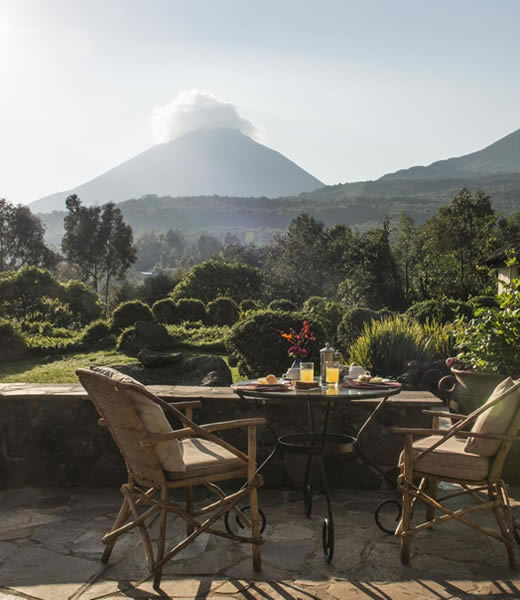
Run by Volcanoes Safaris, is the best-known upmarket option, with cottages set against the volcano slopes and strong community involvement. Clouds Mountain Gorilla Lodge, near the park boundary, offers stunning views and a high standard of comfort. Chameleon Hill Lodge above Lake Mutanda is a popular boutique choice, and Nkuringo and Lake Mutanda area lodges provide scenic alternatives.
Mid-range:
Travellers Rest in Kisoro, historically famous as a base for early gorilla researchers, is a charming mid-range choice. Amajambere Iwacu Community Camp offers comfortable cottages and tents with a community-tourism focus, and Lake Mutanda Resort provides lakeside rooms with good views.