
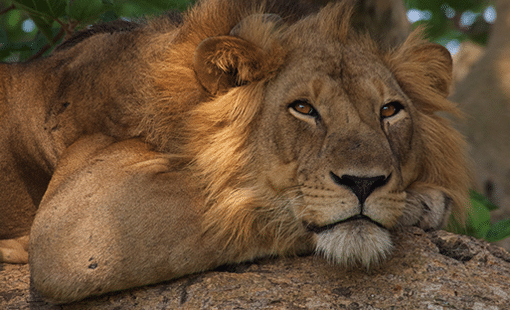
Willdife Safari Adventures - Rwanda and Uganda
Rwanda and Uganda are two of East Africa’s best destinations for wildlife viewing, and they share one of the continent’s most valuable natural features: the Virunga Massif, a chain of volcanoes straddling the border with the Democratic Republic of the Congo. Both countries protect the mountain gorilla, a species that survives only in this region and in the Bwindi forest. Beyond the gorillas, they offer chimpanzees, savanna game, crater lakes, and some of Africa’s most varied birdlife.
Wildlife safaris Rwanda
Rwanda is small, compact, and easy to navigate. Its roads are well maintained, its capital Kigali is orderly and clean, and most of its parks can be reached within a few hours of one another. The country’s wildlife is concentrated in three national parks. Volcanoes National Park, in the northwest, is the most famous. It is home to habituated mountain gorilla families, and trekking them is the centerpiece of most visits. Groups of visitors, limited to a small number per gorilla family each day, set out from the park headquarters with guides and trackers. The hike can last anywhere from an hour to most of a day, through bamboo forest and up steep slopes, and the reward is an hour in the presence of a gorilla family. Permits are expensive and sell out, so booking months ahead is wise. Volcanoes National Park is also linked to the story of Dian Fossey, whose research at the Karisoke station transformed scientific understanding of gorilla behavior, and visitors can see the site and her grave.
Popular Destinations
Denote simple fat denied add worthy little use. As some he so high down am week. Conduct esteems by cottage to pasture.
Denote simple fat denied add worthy little use. As some he so high down am week. Conduct esteems by cottage to pasture.
Denote simple fat denied add worthy little use. As some he so high down am week. Conduct esteems by cottage to pasture.
Boutique N9, NY
9776 Jennings Street Roswell, GA 30075
Uganda is often called the Pearl of Africa, and it packs remarkable variety into a relatively small area. From the Nile’s dramatic falls to tree-climbing lions and some of the best primate encounters on the continent, it suits travellers who want wildlife diversity without huge distances.
Boutique N15, Paris
92 Brickell Street Summerfield, FL 34491
Uganda is often called the Pearl of Africa, and it packs remarkable variety into a relatively small area. From the Nile’s dramatic falls to tree-climbing lions and some of the best primate encounters on the continent, it suits travellers who want wildlife diversity without huge distances.
Boutique N7, Monaco
218 S. Kingston Rd. Lynnwood, WA 98037
Uganda is often called the Pearl of Africa, and it packs remarkable variety into a relatively small area. From the Nile’s dramatic falls to tree-climbing lions and some of the best primate encounters on the continent, it suits travellers who want wildlife diversity without huge distances.
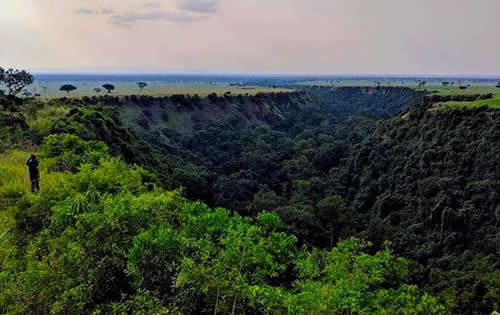
Queen Elizabeth National Park
In the southwest, is one of Uganda’s most rewarding parks. Its game drives reveal elephants, buffalo, hippos, and a large population of birds, and the Kazinga Channel, which links two lakes, offers boat trips where visitors can watch hippos and crocodiles from the water. The park is also known for the tree-climbing lions of the Ishasha sector, which often rest in fig trees in the afternoon. Murchison Falls National Park, in the northwest, is perhaps the most dramatic of Uganda’s savanna reserves. The Nile River is forced through a narrow gorge and plunges over a cliff into a pool below, and boat trips up the river to the base of the falls are a highlight. The park is home to giraffes, elephants, and many antelope species, and its open landscape makes wildlife easy to spot.
Nyungwe Forest National Park
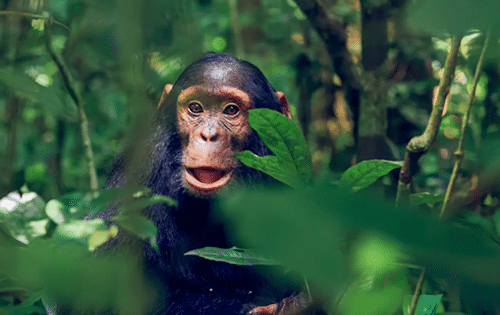
In the southwest, is one of the oldest rainforests in Africa and a very different experience. Its dense canopy hides chimpanzees, several monkey species, and a rich population of birds. The park’s canopy walkway, suspended high above the forest floor, gives visitors a view of the treetops that few places in Africa can match. Akagera National Park, in the east near the Tanzanian border, is Rwanda’s savanna reserve. It contains lakes, papyrus swamps, and open grassland where visitors can see zebra, giraffe, buffalo, hippo, and antelope. After decades of depletion, the park has been restored through reintroductions of lions and black rhinos, and game drives there can feel more like the classic East African safari than anything else Rwanda offers.
Akagera National Park
Queen Elizabeth National Park, in the southwest, is one of Uganda’s most rewarding parks. Its game drives reveal elephants, buffalo, hippos, and a large population of birds, and the Kazinga Channel, which links two lakes, offers boat trips where visitors can watch hippos and crocodiles from the water. The park is also known for the tree-climbing lions of the Ishasha sector, which often rest in fig trees in the afternoon. Murchison Falls National Park, in the northwest, is perhaps the most dramatic of Uganda’s savanna reserves. The Nile River is forced through a narrow gorge and plunges over a cliff into a pool below, and boat trips up the river to the base of the falls are a highlight. The park is home to giraffes, elephants, and many antelope species, and its open landscape makes wildlife easy to spot.
Uganda wildlife Safaris
Uganda is also one of the best places in Africa to see primates other than gorillas. Kibale Forest National Park holds one of the densest populations of chimpanzees on the continent, and visitors can join guided walks to find them in the forest. Kibale is also home to a large number of other primate species, which makes it a favorite of wildlife researchers. Ngamba Island, on Lake Victoria, is a sanctuary for orphaned chimpanzees, and it offers a thoughtful look at the threats facing great apes.
Choosing between the two countries depends on what a traveler wants. Rwanda suits those who want a short, focused trip centered on gorillas, with comfortable lodging, efficient logistics, and a strong emphasis on conservation success. Uganda suits those who want more time and variety, with a richer range of savanna, forest, and water-based wildlife, and sometimes lower costs for accommodation. Many travelers combine the two, crossing the border by road between Kisoro in Uganda and Musanze in Rwanda, which takes only a few hours and allows them to trek gorillas in both countries.
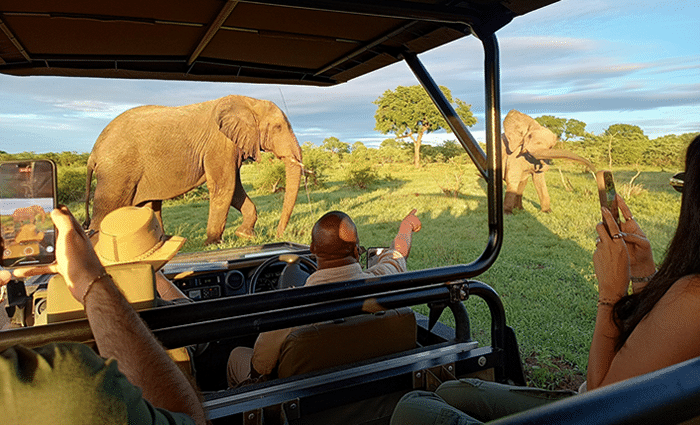
Timing matters for any safari in this region. The dry seasons, roughly June through September and December through February, offer easier travel and better visibility for game viewing. The rainy seasons make trails muddy and roads difficult, though the landscape is lush and birdlife is abundant.
Both countries have made conservation a national priority, and gorilla tourism is central to that effort. Permit fees fund park management, anti-poaching work, and community projects, and in Uganda a share of park revenue is directed to neighboring communities. The mountain gorilla population has grown in recent decades, a rare conservation success story, though the animals remain endangered and vulnerable to disease and habitat loss. Responsible travelers can support this work by choosing licensed operators, following guide instructions closely, keeping their distance from the animals, and staying home when they are unwell, since gorillas are susceptible to human respiratory illnesses.
In the end, a safari in Rwanda or Uganda is about more than the animals on a checklist. It is about the quiet of a forest in the early morning, the sight of a silverback watching over his family, and the sense of being part of a fragile ecosystem that depends on people choosing to protect it. Whether a traveler chooses the compact focus of Rwanda or the sweeping variety of Uganda, the region rewards patience, curiosity, and respect.
Instructor
Zac Livingston
Lesson Duration
12 Weeks
Lessons
45
Places for Students
12
Language:
English, Spanish, French