
Best Time to Visit Rwanda: Seasons, Permits & Crowds
Rwanda, the Land of a Thousand Hills, is one of Africa’s best travel destinations. You might come for the mountain gorillas of Volcanoes National Park, the chimpanzees of Nyungwe Forest or the savannah of Akagera. Timing affects the weather, the price and how easily you get a permit.
Rwanda’s Climate
Rwanda sits just south of the equator. Altitude runs from about 950 metres in the eastern lowlands to more than 4,500 metres on Mount Karisimbi, so the climate is milder than “tropical” suggests. Instead of one wet and one dry season, the year has two of each:
- Long dry season (June to September). This is the best time for most travellers. Skies are clear, trails are firm and visibility is excellent. Nights in the Virunga Massif can drop to 10-15°C. It is also peak season, especially July and August.
- Short rains (October to November). Expect afternoon showers, lush scenery and slippery trails. Treks are still very doable, crowds thin out, and accommodation prices often ease.
- Short dry season (December to February). The weather is warm and settled, and gorilla trekking is excellent. Akagera’s wildlife gathers at waterholes and rivers. December is busy because of the northern-hemisphere holidays.
- Long rains (March to May). Rain is heavy and persistent, and forest trails get hard going. Gorillas often move into lower, denser vegetation, which can make them harder to track. Crowds and prices drop, and April and early May can have clear spells between downpours.
(The earlier version of this article had the two dry seasons labelled the wrong way round. June to September is the long dry season and December to February is the short one.)
Gorilla Trekking
Rwanda is home to roughly a third of the world’s remaining mountain gorillas. Trekking in Volcanoes National Park, where Dian Fossey did her research, is one of the great wildlife encounters anywhere.
Groups are capped at eight visitors per gorilla family per day and set off from the Kinigi park headquarters. Sources differ on how many families are open to tourists, but it is roughly a dozen. Treks run from one to eight hours depending on where the gorillas spent the night, and you get one hour with them. That limit is strictly enforced for the animals’ welfare.
Gorilla Permits in 2026
Price. The standard permit for foreign non-residents is USD 1,500 per person per trek, and it doesn’t change by season. Availability does.
2026 promotional rates. In January 2026, the Rwanda Development Board announced reduced rates for the year. Rwandans and East African Community citizens pay $200, and visitors from other African countries pay $500. These discounts don’t apply during the high season from June to October, when standard rates are charged. International visitors from outside Africa should still budget for $1,500.
How to book. Permits are sold through the RDB, either directly or through licensed tour operators. Booking directly is simple but means paying up front, so read the cancellation terms carefully. Permits are non-refundable after a certain window.
When to book. For June to September and the December holidays, book as early as you can. Most sources recommend three to six months ahead, and prime July and August dates can sell out earlier. Treat the permit like a flight and plan everything else around it. In the low season (March to May) availability is much better, though last-minute permits aren’t guaranteed.
Which family you get. The RDB assigns trekkers to families, taking fitness and age into account. Some families live close to the headquarters and mean shorter treks, while others live higher and farther. If you’re worried about fitness, tell your operator and the rangers. Hiring a porter costs little, helps the local economy and makes the hike easier. The minimum age for trekking is 15.
Crowds by Season
High season (June to September, and December to January). Lodges are full, Kinigi is busiest on July and August mornings, and Kigali’s attractions have their longest queues. The experience is still smooth. Guides pace groups well and the park handles peak volumes. The main drawbacks are rack-rate pricing and scarce permits.
Shoulder season (October to November, and February to March). These months are a good middle ground. The countryside is green, the rains are manageable and permits and rooms are easier to find. Dawn at Kinigi also feels quieter, with fewer vehicles and a calmer start. The group limit is the same all year, so the gorilla encounter itself doesn’t change.
Low season (April to May). Be realistic about the mud. Waterproof layers, dry bags and gaiters are essentials, not extras. The rain doesn’t bother the gorillas, but it can push them into steeper, thicker terrain. Birding in Nyungwe is excellent, and Akagera in the east usually gets lighter rain than the western highlands.
Beyond the Gorillas
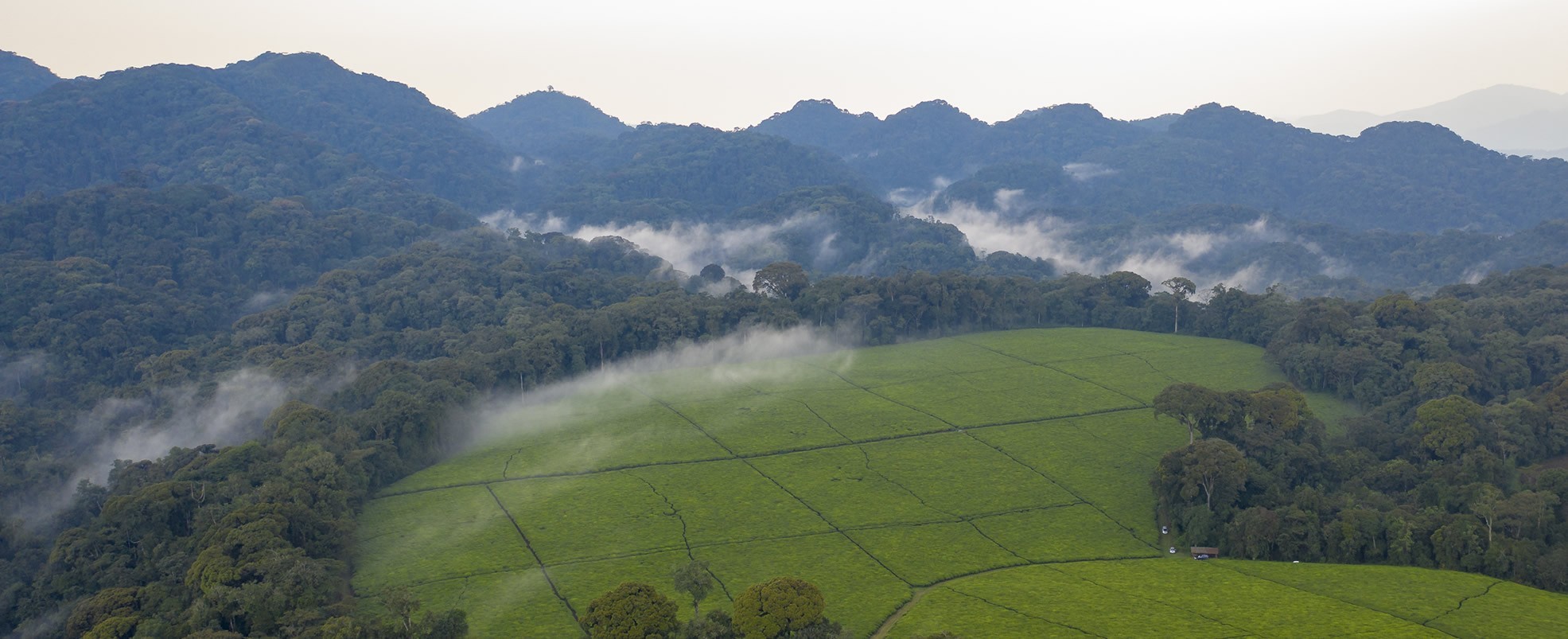
Nyungwe Forest. This is one of Africa’s oldest rainforests, with chimpanzees and about a dozen other primate species. Chimp tracking runs year-round but is easier in the dry seasons. The canopy walkway is open all year and best on clear mornings.
Akagera National Park. Akagera is hotter and flatter than the west, and its wildlife is easiest to see in the dry season (June to September). You can see lions, elephants, buffalo and hippos, plus rhinos since the reintroductions that began in 2017. It remains one of Africa’s notable conservation recoveries.
Kigali. The capital works in any season. Its restaurants, markets and the Kigali Genocide Memorial are all open year-round, and rain rarely spoils a city day.
Community stays. Rwanda has community tourism schemes where you stay with farming families and join in daily life. They can fill the days before or after a trek, and the money stays in the community. Look for programmes the community actually owns or manages, and stay more than one night.
Safety and Practical Notes
Kigali, Akagera and the main tourism circuits are widely regarded as safe, but check your government’s advisory before booking. The US State Department currently rates Rwanda Level 2, and its advisory rates the DRC and Burundi border areas Level 4 (Do Not Travel). Volcanoes and Nyungwe both sit near those borders, so follow your guides, use authorised operators and keep to the permitted areas.
Which Month Suits You
- Gorillas are the centrepiece and your dates are fixed: July or August is still the safest choice for dry trails and smooth logistics. Book six months or more ahead.
- You want value and don’t mind mud: Try October or November, especially mid-to-late October. The landscape is at its greenest, and rooms and permits are easier to get.
- You’re a serious birder or care most about Nyungwe: Late April to June catches the end of the rains and the start of the dry season.
- You’re an eligible African or EAC traveller: Aim outside June to October to get the promotional rates.
Final Thought
The most important planning decision is how early you secure your permit. The permit date is fixed, and everything else on a Rwanda itinerary can move around it. Book early, travel in the dry season if you can and bring waterproof boots.
Book through the Rwanda Development Board at rdb.rw. Fees and promotions are reviewed periodically, so confirm current pricing before you pay.