
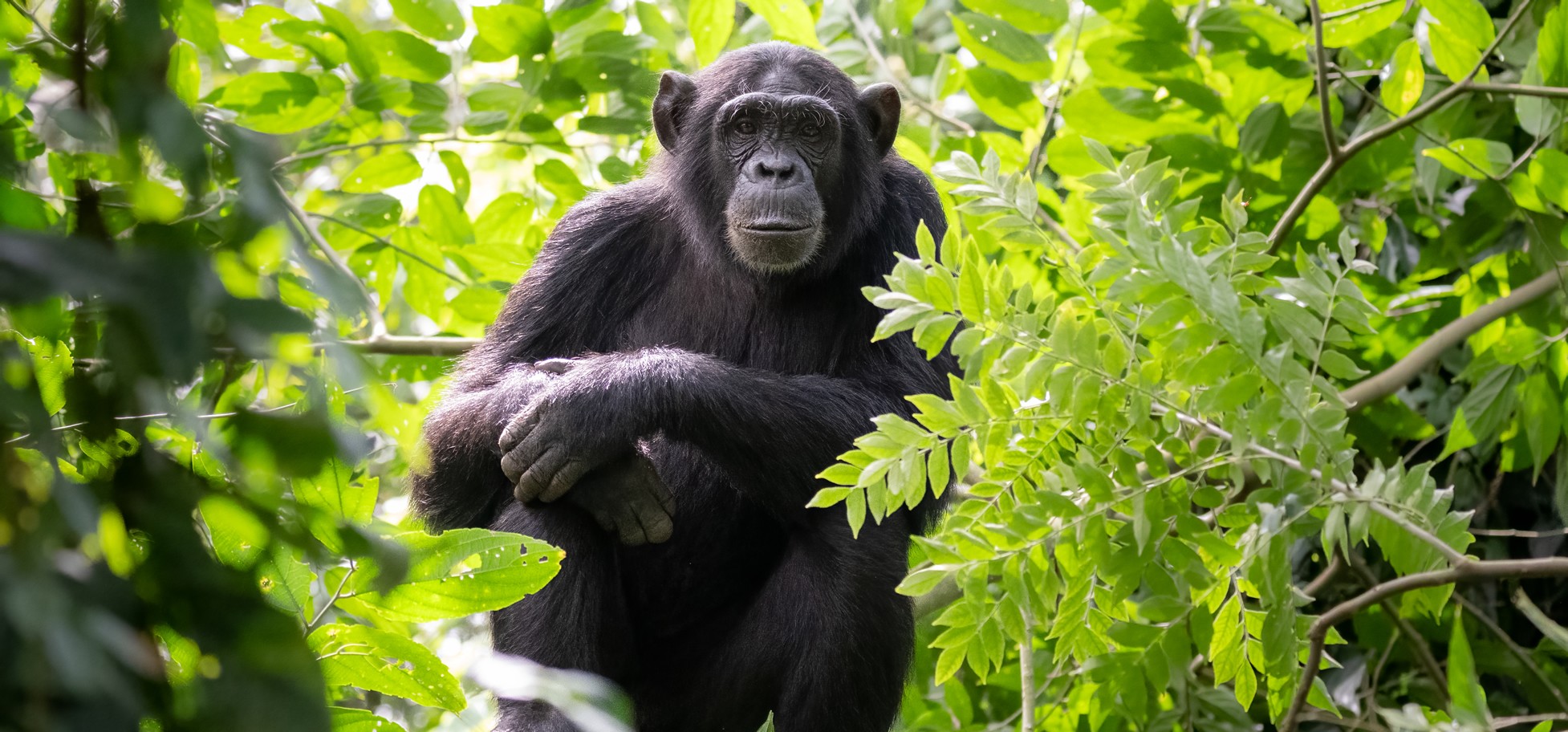
Chimpanzee Trekking: Nyungwe (Rwanda) vs Kibale (Uganda)
East Africa offers some of the best chances anywhere to look a wild chimpanzee in the eye. Two forests dominate the conversation: Nyungwe National Park in southwestern Rwanda and Kibale National Park in western Uganda. Both protect healthy chimp populations, both run habituated-group trekking, and both sit within a day’s travel of other major primate destinations. Yet the experiences differ considerably in terrain, odds of success, cost, crowds and surrounding attractions. This guide compares them so you can choose with confidence.
The Forests at a Glance
Nyungwe is one of Africa’s oldest and largest montane rainforests, covering roughly 1,000 square kilometres of steep, mist-draped ridges. It is a biodiversity heavyweight, home to around 13 primate species, hundreds of bird species and a high level of endemism. Its chimpanzees number in the hundreds across the park, though only a small number of communities are habituated for tourism.
Kibale is a lower-altitude tropical rainforest of around 800 square kilometres, joining the northern end of Queen Elizabeth National Park via a wildlife corridor. It is often called the primate capital of the world, with 13 primate species and an estimated chimpanzee population in the region of 1,500 individuals, the largest concentration of the species in East Africa. Its Kanyanchu area is the main tourism hub, and the Sebitoli area offers an alternative.
Chimpanzee Experiences
Nyungwe: Two Habituated Communities
Trekking in Nyungwe centres on the Cyamudongo and Uwinka areas, with the Gisakura sector as a base. Cyamudongo is a small, isolated forest fragment where a habituated community lives, and it is usually reached from the Gisakura or Bweyeye side. The terrain is steep and often muddy, and the forest canopy is dense. Because the chimp communities travel widely, trackers must sometimes cover long distances, and the hiking can be demanding.
Group sizes are small, which gives the experience an intimate feel. Permits are limited per day, and the park emphasises low-impact tourism.
Kibale: Habituated Groups and Habituation Experience
Kibale offers daily chimp tracking from Kanyanchu in the morning and afternoon, plus a full-day Chimpanzee Habituation Experience, where visitors follow researchers and chimps from the moment they leave their nests until they build new ones in the evening. The habituation experience is one of the most immersive wildlife encounters in Africa and is a major draw for photographers and serious wildlife enthusiasts.
Kibale’s chimps are generally more habituated and used to human presence, so sightings are more predictable. The terrain is easier than in Nyungwe: undulating forest trails rather than sheer ridges, making it a better pick for travellers with moderate fitness.
Success Rates
Kibale has a reputation for sighting rates that routinely exceed 90 percent, helped by large communities and well-established habituation. The chimps are often found within a couple of hours, and encounters tend to be lively, with feeding, grooming, drumming on buttress roots and the characteristic pant-hooting.
Nyungwe’s success rate is also good but more variable. The forest is steeper and larger, and the chimp communities range widely, so treks can be longer and sightings less guaranteed. Many visitors still see chimps, but patience and good physical condition matter more here.
Terrain and Fitness
If your priority is comfort, Kibale wins. Trails are more forgiving, and most reasonably active people can manage the trek. Mud is common, particularly in the wet seasons, but there are fewer dramatic climbs.
Nyungwe is a mountain forest. Expect steep gradients, slippery slopes, river crossings and altitude that leaves some walkers breathless. A good level of fitness, sturdy boots and waterproofs make a real difference. The reward is scenery: misty valleys, towering trees and the sense of an ancient, wild forest.
Cost and Permits
Costs change, so confirm current figures with the Rwanda Development Board (RDB) and the Uganda Wildlife Authority (UWA) before booking. In general, Rwanda positions itself as a high-value, low-volume destination, and its permit prices have tended to be higher than Uganda’s. Uganda’s chimp permits are typically cheaper, and the habituation experience costs more than a standard trek but still offers strong value for the time spent.
Beyond permits, consider park entry fees, guide and tracker tips, transfers, accommodation and any extra activities. Uganda often works out less expensive overall, with a wider range of budget lodging. Rwanda’s lodging options skew more upmarket, though mid-range guesthouses exist around Gisakura and Kitabi.
Beyond the Chimps: Other Wildlife and Activities
Nyungwe
Nyungwe is more than a chimp destination. Its other highlights include:
- Colobus monkeys: Large troops of Angolan colobus, sometimes numbering in the hundreds, are a spectacle.
- Canopy Walkway: A suspended walkway about 70 metres above the forest floor gives a rare treetop perspective.
- Birding: Dozens of Albertine Rift endemics make it a prime destination for birders.
- Hiking trails: Waterfalls, tea plantations and varied trails round out a stay.
- Other primates: L’Hoest’s monkeys, blue monkeys, owl-faced monkeys and more.
Kibale
Kibale’s draws include:
- Bigodi Wetland Sanctuary: A community-run swamp walk with excellent birding and monkey viewing.
- Primate variety: Red colobus, black-and-white colobus, red-tailed monkeys, grey-cheeked mangabeys and others.
- Crater lakes: The nearby Ndali-Kasenda area has scenic lakes and community walks.
- Queen Elizabeth National Park: Within easy reach for game drives, boat cruises on the Kazinga Channel and the famed tree-climbing lions of Ishasha.
Getting There and Logistics
Nyungwe lies in southwestern Rwanda, roughly five to six hours by road from Kigali. The drive passes through rolling hills and tea country and is scenic. It pairs naturally with Lake Kivu on Rwanda’s western edge and with Volcanoes National Park for gorilla trekking.
Kibale is reached from Kampala in about five to six hours, often as a stop on the classic western Uganda circuit linking Murchison Falls, Kibale, Queen Elizabeth and Bwindi Impenetrable Forest. Fort Portal is the nearest town and a pleasant base.
Both destinations can be combined with gorilla trekking, which makes a Rwanda-plus-Uganda primate itinerary appealing. Cross-border travel between the two countries is possible, so check visa arrangements and any East Africa Tourist Visa options ahead of time.
Best Time to Visit
Both forests are best in the drier months, generally June to September and December to February, when trails are less slippery and visibility is better. Rain is possible year-round in rainforest, so waterproof gear is essential whatever the season. The wet months can still be rewarding: fewer visitors, lush greenery and sometimes easier viewing when fruit is plentiful. In Kibale, chimps often congregate around fruiting trees, which can improve sightings at certain times of year.
Crowds and Atmosphere
Kibale, with its higher visitor numbers, can feel busier, though group sizes are capped. Nyungwe is quieter and more remote. If solitude and a sense of wilderness matter to you, Nyungwe edges ahead. If you want reliability and ease, Kibale delivers.
Rwanda also stands out for cleanliness, organisation and safety, with excellent roads and a strong conservation ethic. Uganda offers warm hospitality, greater diversity of attractions and a more budget-friendly range of options.
Which Should You Choose?
Choose Kibale if you:
- Want the highest chance of a close, long chimp encounter.
- Prefer gentler terrain.
- Are travelling on a tighter budget.
- Want to try the full-day habituation experience.
- Plan to combine primates with classic safari in Queen Elizabeth or Murchison Falls.
Choose Nyungwe if you:
- Love ancient montane forest and dramatic scenery.
- Want a quieter, more exclusive experience.
- Are interested in birding, the canopy walkway and colobus troops.
- Are already visiting Rwanda for gorillas or Lake Kivu.
- Are comfortable with a more demanding hike and slightly less certainty.
Practical Tips for Both
- Book early: Permits are limited and sell out in peak seasons.
- Pack smart: Long sleeves, trousers, gaiters, gloves, sturdy boots and a rain jacket.
- Health rules: Stay at least the required distance from chimps, and do not trek if ill, since chimps are susceptible to human diseases.
- Age limits: Both enforce minimum ages, commonly 15 for chimp trekking, so check before bringing children.
- Bring a camera suited to low light: Forest light is dim; a fast lens and high ISO help.
- Hire a porter: It supports local communities and eases the load.
Final Thoughts
Nyungwe and Kibale are both outstanding, and the “better” choice depends on what you value. Kibale offers reliability, variety and value, making it the safer bet for first-time chimp trekkers. Nyungwe offers wilderness, atmosphere and a more adventurous feel, rewarding those willing to climb for it. If time and budget allow, experiencing both gives a fascinating contrast between two very different rainforests, and a deeper appreciation of one of our closest living relatives.
Whichever you choose, your visit supports the communities and conservation programmes that keep these forests, and their chimpanzees, alive.
Note: Permit prices, regulations and group details change over time, so verify current information with RDB and UWA or a reputable operator before booking.