
Gorilla Trekking vs. Gorilla Habituation Experience: Which Encounter Is Right for You?
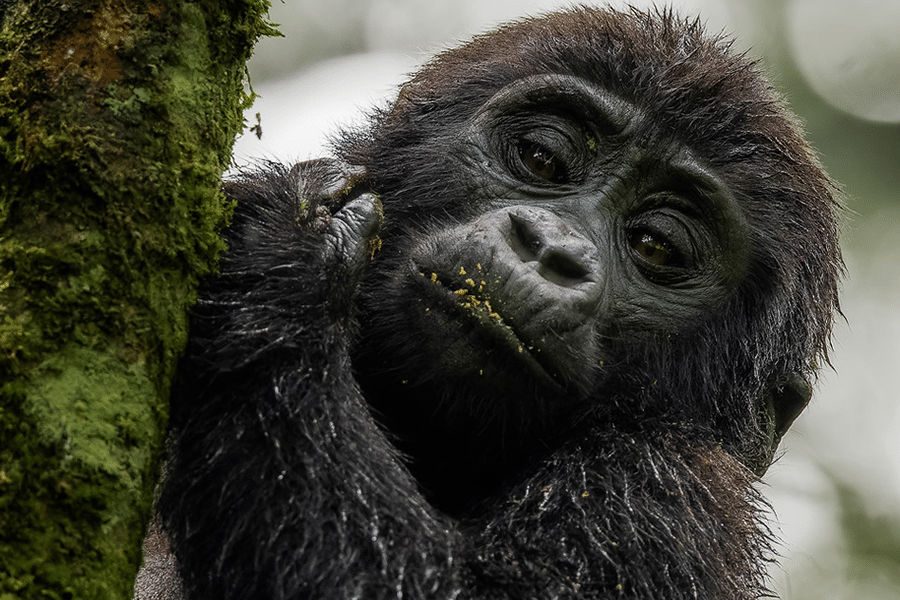
For many travelers, standing a few meters from a mountain gorilla is the highlight of a lifetime. In Rwanda, Uganda, and the Democratic Republic of Congo, there are two main ways to meet these gentle giants: the standard gorilla trek and the gorilla habituation experience. Both put you face to face with wild gorillas, but they differ in duration, cost, access, and the kind of memory you leave with. Here is a detailed look at each, so you can choose wisely.
Understanding the Basics
Gorilla Trekking
Gorilla trekking is the classic encounter. Small groups of visitors, usually a maximum of eight per gorilla family, follow experienced rangers and trackers into the forest to find a gorilla family that is already fully habituated, meaning the animals are accustomed to human presence. Once you find them, you are allowed one hour in their company.
The gorillas go about their normal lives: feeding, grooming, playing, and resting, while you observe from a respectful distance, typically around seven meters, though gorillas themselves sometimes ignore that rule and wander close.
Gorilla Habituation Experience
Habituation is the process of gradually teaching wild gorillas to tolerate human observers without feeling threatened. It takes two to three years of consistent daily contact by trackers and researchers. The gorilla habituation experience lets a very small group, usually a maximum of four people, join this process in a family still being habituated.
The key difference is time: instead of one hour, you get four hours with the gorillas. It is currently offered in Uganda, in Bwindi Impenetrable National Park (the Rushaga sector) and, more recently, in Mgahinga, while Rwanda focuses on standard trekking.
Side-by-Side Comparison
| Feature | Gorilla Trekking | Habituation Experience |
|---|---|---|
| Time with gorillas | 1 hour | 4 hours |
| Group size | Up to 8 per family | Up to 4 per day |
| Gorilla families | Fully habituated | Semi-habituated, in training |
| Permit cost | Lower (in Uganda roughly $800 for foreign non-residents; in Rwanda $1,500) | Higher (roughly $1,500 in Uganda) |
| Availability | Many families, many locations | Limited, mainly Rushaga (Bwindi) |
| Pace | Time-limited, structured | Relaxed, immersive |
| Photography | Good opportunities | Excellent, more time to wait for the perfect shot |
Prices change often, so always confirm current permit rates with the park authority or your operator.
The Gorilla Trekking Experience in Detail
The Morning Briefing
Your day begins early, usually around 7:00 AM, at the park headquarters. Rangers brief the group on rules: keep your voice low, never eat in front of the gorillas, stay seven meters away, don’t flash photograph, and avoid approaching if you are ill. You are then assigned to a gorilla family based on fitness, age, and preference.
The Hike
The trek can last anywhere from 30 minutes to six hours depending on where the gorillas spent the night and how far they have moved. Terrain can be steep, muddy, and thick with vegetation, particularly in Bwindi, whose name means “impenetrable.” In Rwanda’s Volcanoes National Park, the slopes are volcanic and often covered in stinging nettles and bamboo, and the altitude means thinner air.
Trackers go ahead each morning and radio the group’s location, so success rates are very high, close to 100 percent.
The Hour
When you reach the gorillas, the hour begins. This is often described as emotional. You might watch a silverback, weighing up to 200 kilograms, calmly strip leaves from a stem, or see infants tumbling over each other. The hour passes remarkably fast, and many visitors wish it were longer, which is exactly why some choose habituation.
The Gorilla Habituation Experience in Detail
A Deeper Level of Involvement
Habituation participants start earlier, often at 6:30 or 7:00 AM, and are accompanied by researchers, trackers, and park rangers who are actively working with the group. You learn how gorillas are individually identified, how their behavior is monitored, and what daily life looks like for a family learning to accept people.
Four Hours of Observation
Because the gorillas are semi-habituated, they may be slightly more cautious at first. Patience is rewarded. As the hours go by, they relax and reveal natural behavior: foraging, nesting, interacting socially, and moving through the forest. You can sit and observe without feeling the clock ticking, and photographers appreciate being able to wait for the right light and interactions.
Closer to Conservation
Participants often say the habituation experience gives them a greater appreciation of the conservation work behind gorilla tourism. Your fee funds the very process that will eventually make a new gorilla family available for tourism, supporting rangers, community programs, and anti-poaching efforts.
Pros and Cons
Gorilla Trekking
Advantages
- More affordable
- Many locations and permits available across Rwanda, Uganda, and DRC
- Fully habituated gorillas offer predictable, calm encounters
- Easier to book, and group sizes are manageable
Drawbacks
- Only one hour of contact
- Larger groups can feel less intimate
- Photography time is limited
Gorilla Habituation Experience
Advantages
- Four hours of time, which allows deeper observation
- Smaller, quieter groups
- Insight into research and conservation
- Superior photography conditions
Drawbacks
- Significantly more expensive
- Limited permits, which sell out quickly
- Gorillas can be less relaxed, occasionally moving quickly or showing mock charges
- Physically demanding: four hours with gorillas can follow a long hike, making for a very long day
Physical Demands and Preparation
Both experiences require reasonable fitness. You do not need to be an athlete, but you should be comfortable walking for several hours on uneven, steep terrain at altitude, typically between 2,200 and 3,500 meters. Habituation days can run particularly long, since you hike to the gorillas, spend four hours with them, and hike back.
Preparation tips for both:
- Wear sturdy, waterproof hiking boots
- Bring gardening gloves for gripping vegetation
- Carry a rain jacket, even in the dry season
- Wear long sleeves and trousers to protect against nettles and insects
- Hire a porter, which supports local livelihoods and makes the hike far easier
- Pack water and a light lunch (especially for habituation)
Health rules matter too. Because gorillas share about 98 percent of our DNA, they are susceptible to human illnesses. If you have a cold, flu, or other contagious illness, you will be refused entry, usually with a refund or rebooking option. Masks are required in many parks when near the gorillas.
Best Time to Visit
Gorillas can be visited year-round, but the drier months, roughly June to September and December to February, offer easier hiking and less mud. The rainy seasons bring lush scenery, lower crowds, and sometimes lower accommodation rates, but trails become slippery. Because habituation permits are so limited, book at least six months ahead for peak periods.
Which Should You Choose?
Choose gorilla trekking if:
- You want a lifetime experience at a more accessible price
- You prefer a shorter, more predictable outing
- You are visiting Rwanda, where trekking is the main option
- You are combining gorillas with other activities, such as safaris or chimpanzee tracking
Choose habituation if:
- You are a wildlife photographer or passionate naturalist
- You want a slower, more immersive encounter
- You are interested in the science and conservation process
- You have the budget and stamina for a long day
Final Thoughts
Neither experience is better in an absolute sense; they simply serve different travelers. A standard trek delivers one unforgettable hour with some of the world’s rarest animals. The habituation experience stretches that magic into half a day and lets you witness the patient work that makes gorilla tourism possible.
Whichever you choose, you are contributing directly to the survival of an endangered species. With roughly 1,000 mountain gorillas left in the wild, every permit supports the people and protected habitats that keep them alive. Book early, prepare well, and when you finally lock eyes with a silverback in the mist, you will understand why so many travelers say it changed them.