
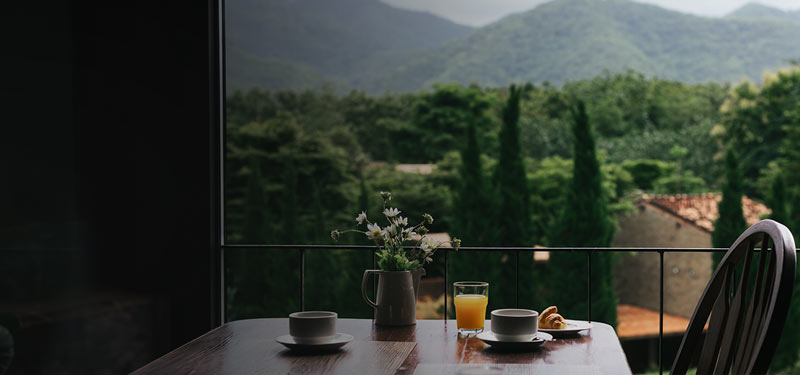
Rwanda on Any Budget: From Hostel Bunks to Volcano-Side Villas
The Land of a Thousand Hills can be travelled two very different ways: lean and local, or lavish and effortless. Both are rewarding.
Rwanda has become one of Africa’s most talked-about destinations, and not only because of its gorillas. Visitors come away praising its tidy, energetic capital, its smooth roads, its calm lakeshores, and a national story of recovery that is hard to ignore. It is also a country that two travellers can experience in completely different ways. A backpacker hopping between Kigali’s moto-taxis and a honeymooning couple sipping champagne on a private veranda near Volcanoes National Park are in the same place, yet living in separate worlds.
This guide covers both. The basics of visas, gorilla permits, timing and transport are the same for everyone. What shifts with your budget is the level of comfort and polish you buy along the way.
Entry and Visas
Rwanda keeps its visa process simple. Most nationalities can get a single-entry, 30-day visa on arrival at Kigali International Airport, or apply ahead through the official e-visa portal for about $50. Citizens of East African Community countries (Uganda, Kenya, Tanzania and Burundi) enter free. If you plan to combine Rwanda with its neighbours, the $100 East Africa Tourist Visa, valid for Rwanda, Uganda and Kenya, is among the best-value permits in the region.
The Gorilla Permit: One Price for Everyone
Gorilla trekking is where Rwanda’s pricing becomes uniform. A permit costs $1,500 per person, with no cheaper option. Volcanoes National Park releases a fixed number of permits each day, and they must be reserved ahead of time through the Rwanda Development Board. Whatever else you spend, this will almost certainly be the largest single item on your trip.
What you choose to build around the permit is up to you. The trek itself, typically two to six hours through thick forest before an hour with a habituated gorilla family, is identical for every visitor. Only your bed the night before and after differs.
The hour with the gorillas is the same hour whether you slept in a $25 guesthouse or a $900 lodge the night before. That is the great leveller of Rwanda’s national parks.
Planning tip: Reserve your permit as soon as your dates are firm, ideally three to six months out for peak periods (June to September and December to January). You can book directly on the Rwanda Development Board website. Cancellations are possible with enough notice, but permits cannot be transferred to someone else.
Where to Stay
On a Budget
Kigali is unusually good for the money. The city is compact enough that many guesthouses are within walking distance of things worth seeing, and a crop of clean, well-run hostels and small guesthouses has appeared in recent years. In Kimironko and Remera, dorm beds run $10 to $18 and private en-suite rooms at locally owned guesthouses cost $25 to $45. Both areas put you close to excellent local markets and plenty of moto-taxis.
Near the gorillas, Musanze (also called Ruhengeri) is the budget hub. Dozens of modest guesthouses surround the town centre, with tidy doubles for $20 to $40 a night, and many arrange early-morning rides to the park gate, saving you a taxi fare. For lakeside time, Kibuye on Lake Kivu is just as affordable: simple rooms in small waterfront guesthouses, with spectacular views for very little money.
At the Top End
Rwanda’s luxury lodges rank among the finest in Africa, and the best of them cluster around Volcanoes National Park. Singita Kwitonda, One&Only Gorilla’s Nest and Wilderness Safaris’ Bisate Lodge set the standard: small, architecturally striking and closely tied to conservation work. Expect rates of $800 to more than $2,000 per person per night, typically all-inclusive.
In Kigali, the Kigali Marriott and Radisson Blu deliver polished international comfort downtown, while Mantis Résidence des Mille Collines, the historic hotel made famous on screen, offers more character and history. On Lake Kivu, Kivu Serena Hotel in Gisenyi and the boutique Cormoran Lodge on Gihaya Island lead the upscale options.
Getting Around
Transport is where the two Rwandas feel most different day to day. In Kigali, moto-taxis, ridden by drivers in yellow helmets and waiting on every corner, are the quickest and cheapest way to travel ($0.50 to $2 for most trips) and a very local experience. Between towns, Rwanda’s bus network is excellent and still growing. Volcano Express and Virunga Express run Kigali to Musanze in about two and a half hours for roughly $3 to $5, and buses to Huye (Butare) or Cyangugu take two to four hours at similar prices.
Luxury travellers usually hire a private vehicle, either through their lodge or independently. A driver from Kigali to Musanze costs $80 to $150 depending on the car. Many top lodges fold airport and park-gate transfers into their rates, which removes a lot of hassle. Some guests go further and take a helicopter between Kigali and Volcanoes: a 20-minute flight costing about $400 to $600 per person, with views of the volcanoes no road can match.
Moto safety: Passengers must wear helmets by law, and the rule is enforced. Drivers carry a spare, so if yours doesn’t offer one, ask for it or choose another ride. Rwanda’s moto system is among the most tightly regulated in Africa.
Eating and Drinking
Everyday Rwandan food is simple, hearty and cheap. Common staples include ugali (stiff maize porridge), isombe (cassava leaves), grilled meat, beans and matoke (cooked banana). A plate of mixed local dishes at a neighbourhood restaurant costs $2 to $5 nearly anywhere. For the best of this style, head to Kimironko Market in Kigali, where the food is inexpensive, authentic and surrounded by daily life.
Kigali also has a strong mid-range and upscale scene for a city its size. Places such as Poivre Noir, Khana Khazana (Indian) and the Fusion restaurant at the Marriott serve well-prepared meals for $15 to $40 per person. At the high end, the lodges around Volcanoes have put serious effort into their kitchens, serving multi-course dinners built on Rwandan ingredients and refined technique, enjoyed by the fire in the shadow of the volcanoes.
Beyond the Gorillas
Most of Rwanda’s other attractions are open to every budget. The Kigali Genocide Memorial is free and essential, a moving and carefully kept record of the 1994 genocide that no visitor should skip. Audio guides are available, and the grounds are beautifully maintained. Set aside two to three hours, and be ready for the emotional weight of the visit.
In the southwest, Nyungwe Forest National Park offers chimpanzee trekking ($90 to $150) and a canopy walkway ($60) suspended 50 metres above the forest floor, thrilling and within reach of budget travellers willing to take the bus south. Along Lake Kivu, you can explore shoreline villages by rented bicycle ($5 to $10 a day) or local boat for almost nothing. For a more indulgent stay, Nyungwe Forest Lodge (One&Only) offers guided high-altitude forest walks from a handsome glass-and-wood retreat.
In the east, Akagera National Park is Rwanda’s Big Five safari destination, with lions and rhinos reintroduced over the past decade. Entry is $40 per person plus vehicle fees, and self-driving is allowed. Budget visitors can camp in the park from $30 per person or take a basic banda for $60 to $80. At the luxury end, Akagera Game Lodge and the newer Magashi Camp (Wilderness Safaris) offer all-inclusive stays with guided game drives and a far more polished experience.
When to Go
Rwanda has a mild highland climate year-round, split into two dry seasons and two wet ones. The long dry season, June to September, is peak time: drier trails and steadier weather make trekking easiest, and lodge prices are at their highest. The shorter dry spell from December to January is often a little cheaper while still offering good conditions. The long rains, March to May, bring muddy paths and lower lodge rates, sometimes dramatically so, yet permits remain available, and the forest is lush. Budget travellers who can put up with unsettled skies and muddy boots can save 20 to 40 per cent on accommodation in the green season.
Green season value: Top lodges such as Singita and One&Only discount genuinely in the rains, sometimes 30 to 40 per cent below standard rates from March to May. With the permit fixed at $1,500, dropping from $1,200 to $800 a night over five nights saves $2,000. The mist-draped forest in the wet months has a moody drama of its own.
Final Advice
Rwanda is safe, well organised and warmly welcoming. Visitors quickly notice its civic pride: plastic bags have been banned since 2008, and the monthly community work day, Umuganda, reflects a culture of shared responsibility. Kigali routinely ranks among Africa’s safest and cleanest cities, and the reputation is deserved.
Whatever you spend, book the gorilla permit first and plan everything else around it. Allow generous time between regions: the country is small but mountainous, and winding highland roads make distances feel longer than the map suggests. And wherever you eat, sleep or travel, bring a small notebook. The conversations you have and the country you discover are worth writing down.
Money matters: The local currency is the Rwandan franc (RWF), though US dollars are widely accepted at hotels and tourist businesses. Kigali’s ATMs are dependable and dispense francs, and cards work at most mid-range and upscale venues. Outside the capital, carry cash, since many rural guesthouses, markets and transport operators don’t take cards.