
# The Best Time to Go Gorilla Trekking Few wildlife experiences match the moment you push through dense vegetation and find a mountain gorilla family a few meters away: a silverback chewing bamboo shoots, infants tumbling over each other, a mother grooming her young. Because these encounters are so special, and because permits are expensive and limited, timing your trip well matters. The short answer is that the dry seasons offer the easiest conditions, but the full picture is more nuanced than that. ## Where Gorillas Live Mountain gorillas survive in only two places: the Virunga Massif, which spans Rwanda (Volcanoes National Park), Uganda (Mgahinga Gorilla National Park) and the Democratic Republic of Congo (Virunga National Park), and Uganda's Bwindi Impenetrable National Park. Together they hold roughly 1,000 individuals, a number that has slowly grown thanks to decades of conservation work. Rwanda and Uganda are the most popular and accessible destinations, and both sit close to the equator, meaning seasons are defined by rainfall rather than temperature. ## Understanding the Seasons The region has two rainy seasons and two dry seasons each year, though the pattern shifts a little from year to year. **Long dry season (June to September):** This is widely considered the peak window. Rainfall drops sharply, trails are firmer, and the air is clearer for photography. Daytime temperatures in the highlands are pleasant, usually in the high teens to low twenties Celsius, with cold mornings and evenings. **Short rains (October to November):** Showers return, often as afternoon downpours rather than all-day rain. Landscapes turn lush and green, and crowds thin out. **Short dry season (December to February):** Another good window, with drier trails and warm, sunny days. Late December and early January are busy because of holidays. **Long rains (March to May):** The wettest period. April and May in particular can bring heavy, persistent rain, muddy trails and occasional road disruptions. Many lodges close or discount rates sharply. ## Why the Dry Seasons Are Popular The case for June to September and December to February comes down to practicality. **Easier hiking.** Gorilla treks can last anywhere from one hour to six or more, depending on where the family has moved since the previous day. The terrain is steep, often at altitudes between 2,200 and 3,500 meters. In dry conditions, the ground is less slippery, streams are easier to cross, and the physical effort is noticeably lower. For anyone with limited fitness or mobility concerns, this is a real advantage. **Better photography.** Drier weather means fewer storms and more usable light under the canopy. Rain, mist and low cloud can make it difficult to capture sharp images, and wet conditions put camera gear at risk. **Lower risk of disruption.** Heavy rains can make access roads to trailheads treacherous, particularly in parts of Bwindi where roads are unpaved and steep. Dry periods reduce the chance of delays. **Comfort.** Fewer mosquitoes, less mud, and a lower chance of being soaked through make the whole experience more pleasant. ## The Case for the Rainy Season The conventional wisdom overlooks some genuine benefits of traveling during the wetter months. **Gorillas are often closer.** During rains, vegetation is abundant at lower elevations, so gorilla families may not travel as far up the slopes in search of food. Some trekkers find the gorillas more quickly in the wet months, which can mean shorter hikes. This is not guaranteed, since gorillas range widely, but it is a commonly reported pattern. **Fewer visitors and easier permit availability.** In peak months, permits can sell out well in advance, sometimes many months ahead. During April, May and November, availability is far better, making this the choice for last-minute or flexible travelers. **Lower costs around the permit.** Gorilla permit prices in Rwanda and Uganda are generally fixed year-round, but Uganda has historically offered discounted permits during low-season months. Lodges and tour operators commonly reduce rates too, so overall trip costs can drop meaningfully. Check current permit pricing and any promotions before booking, as policies change. **Lush scenery.** The forests are at their greenest, and the mist gives the mountains a dramatic, atmospheric look that many visitors find beautiful. **Better trekking conditions than you might expect.** Rain in this region often falls in the afternoon or overnight. Many treks begin in the morning, so you may stay dry for much of the hike, provided you carry proper rain gear. ## Month-by-Month Snapshot **January and February:** Dry and warm, with good trekking conditions and moderate crowds. February is often among the best months. **March:** Rains begin building. Showers are frequent but not yet at their worst. **April and May:** Peak rainy season. Expect mud, cloud and heavy showers. Best for budget travelers and those who value solitude over comfort. **June to August:** The classic high season. Reliable weather, clear views, and high demand. Book permits and lodging well ahead. **September:** Still largely dry, with demand easing slightly from the summer peak. A strong choice for combining good weather with a bit more availability. **October and November:** Rains return, but the landscapes are vibrant. November tends to be wetter than October. **December:** Dry and festive, but expect holiday crowds and higher prices around Christmas and New Year. ## Gorilla Behavior and Seasonal Variation Gorillas are active year-round, and there is no season when sightings are impossible. Their diet shifts with plant availability, which affects where they feed. Bamboo shoots, a favorite food, appear at certain times in the Virunga region, and gorillas will move to higher bamboo zones to feed on them. This can lengthen treks in some months. Babies are born throughout the year, so there is no breeding season to plan around, though your chances of seeing an infant are good in any month. ## Practical Planning Advice **Book permits early.** For June to September and the December holidays, reserve permits and accommodation at least six to twelve months ahead. Permits are issued for specific dates and are generally non-refundable, though some operators offer rescheduling terms. **Choose your destination carefully.** Rwanda's Volcanoes National Park offers easier access from Kigali, typically around a two-hour drive, and a polished, well-organized experience. Uganda's Bwindi has more gorilla families and a wider price range for permits, but longer, rougher journeys. Both are excellent. **Pack for all weather.** Even in the dry season, the mountains can be wet and cold. Bring a waterproof jacket, sturdy waterproof hiking boots, gaiters, long trousers and sleeves (to guard against nettles and insects), gardening gloves for gripping vegetation, and layers for chilly mornings. A porter, who can be hired locally for a modest fee, is well worth it and supports the local community. **Be honest about fitness.** Treks can be demanding regardless of season. If you are concerned, request a gorilla family known to be nearer to the trailhead, and consider hiring a porter or a sedan chair service where available. **Health and rules.** You must be free of contagious illness, as gorillas are vulnerable to human diseases. Visitors maintain a distance of seven meters, and groups are limited to eight people per gorilla family, with visits lasting one hour. ## So, When Should You Go? If comfort and reliability are your priorities, aim for **June to September**, or **December to February** if those dates suit you better. These months give you the firmest trails, clearest skies and the lowest chance of weather ruining your plans, though you will pay for demand with earlier booking and busier lodges. If flexibility, lower costs and solitude appeal more, the **shoulder and rainy months of March to May and October to November** are rewarding, provided you are prepared for mud and showers. Many experienced travelers argue that a drenched, muddy hike that ends with a gorilla family in a misty forest is more memorable, not less. Ultimately, the gorillas are there whatever the weather. The best time to go is the one that fits your fitness, budget and schedule, combined with early planning and the right gear. Whenever you choose, you will be taking part in one of the world's great conservation success stories, since your permit fee directly funds the protection of these animals and the communities living beside them.

The Best Time to Go Gorilla Trekking

Few wildlife experiences match the moment you push through dense vegetation and find a mountain gorilla family a few meters away: a silverback chewing bamboo shoots, infants tumbling over each other, a mother grooming her young. Because these encounters are so special, and because permits are expensive and limited, timing your trip well matters. The short answer is that the dry seasons offer the easiest conditions, but the full picture is more nuanced than that.

Where Gorillas Live

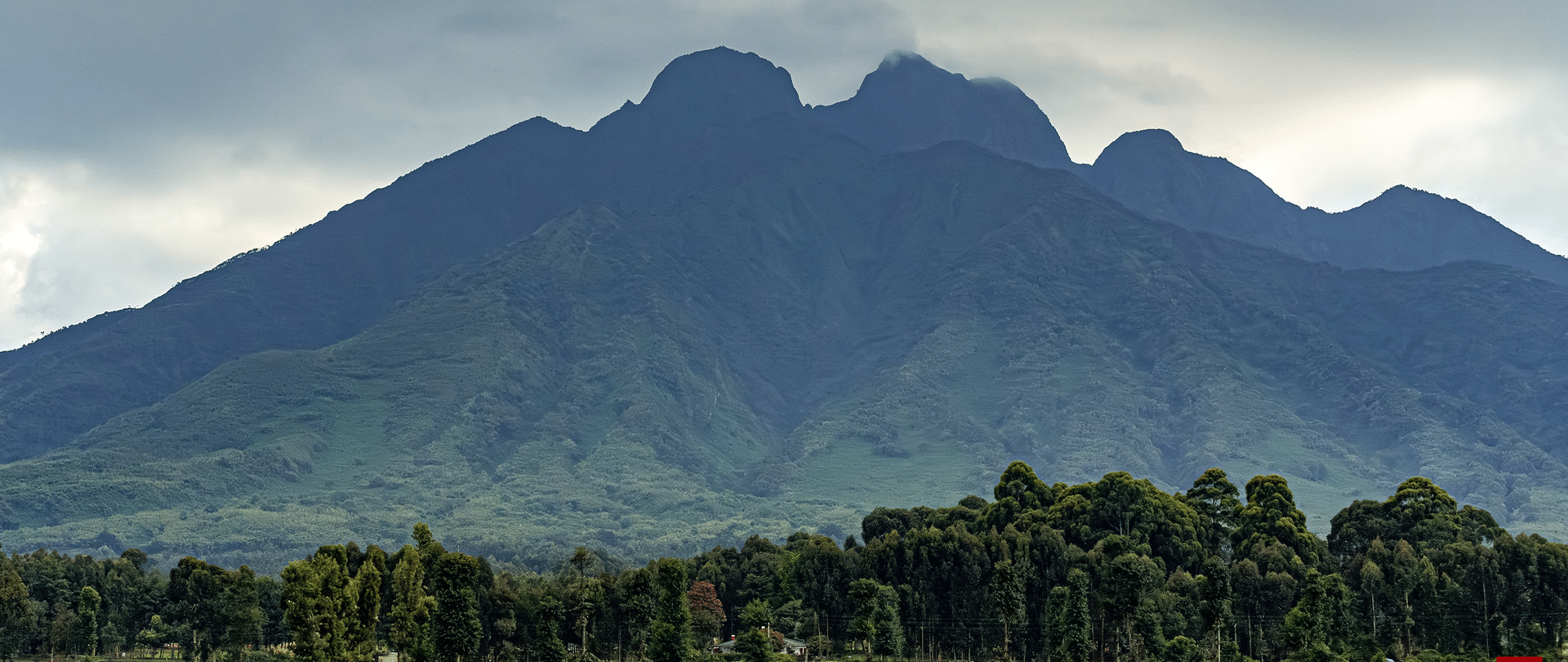
Mountain gorillas survive in only two places: the Virunga Massif, which spans Rwanda (Volcanoes National Park), Uganda (Mgahinga Gorilla National Park) and the Democratic Republic of Congo (Virunga National Park), and Uganda’s Bwindi Impenetrable National Park. Together they hold roughly 1,000 individuals, a number that has slowly grown thanks to decades of conservation work. Rwanda and Uganda are the most popular and accessible destinations, and both sit close to the equator, meaning seasons are defined by rainfall rather than temperature.

Understanding the Seasons

The region has two rainy seasons and two dry seasons each year, though the pattern shifts a little from year to year.

Long dry season (June to September): This is widely considered the peak window. Rainfall drops sharply, trails are firmer, and the air is clearer for photography. Daytime temperatures in the highlands are pleasant, usually in the high teens to low twenties Celsius, with cold mornings and evenings.

Short rains (October to November): Showers return, often as afternoon downpours rather than all-day rain. Landscapes turn lush and green, and crowds thin out.

Short dry season (December to February): Another good window, with drier trails and warm, sunny days. Late December and early January are busy because of holidays.

Long rains (March to May): The wettest period. April and May in particular can bring heavy, persistent rain, muddy trails and occasional road disruptions. Many lodges close or discount rates sharply.

Why the Dry Seasons Are Popular

The case for June to September and December to February comes down to practicality.

Easier hiking. Gorilla treks can last anywhere from one hour to six or more, depending on where the family has moved since the previous day. The terrain is steep, often at altitudes between 2,200 and 3,500 meters. In dry conditions, the ground is less slippery, streams are easier to cross, and the physical effort is noticeably lower. For anyone with limited fitness or mobility concerns, this is a real advantage.

Better photography. Drier weather means fewer storms and more usable light under the canopy. Rain, mist and low cloud can make it difficult to capture sharp images, and wet conditions put camera gear at risk.

Lower risk of disruption. Heavy rains can make access roads to trailheads treacherous, particularly in parts of Bwindi where roads are unpaved and steep. Dry periods reduce the chance of delays.

Comfort. Fewer mosquitoes, less mud, and a lower chance of being soaked through make the whole experience more pleasant.

The Case for the Rainy Season

The conventional wisdom overlooks some genuine benefits of traveling during the wetter months.

Gorillas are often closer. During rains, vegetation is abundant at lower elevations, so gorilla families may not travel as far up the slopes in search of food. Some trekkers find the gorillas more quickly in the wet months, which can mean shorter hikes. This is not guaranteed, since gorillas range widely, but it is a commonly reported pattern.

Fewer visitors and easier permit availability. In peak months, permits can sell out well in advance, sometimes many months ahead. During April, May and November, availability is far better, making this the choice for last-minute or flexible travelers.

Lower costs around the permit. Gorilla permit prices in Rwanda and Uganda are generally fixed year-round, but Uganda has historically offered discounted permits during low-season months. Lodges and tour operators commonly reduce rates too, so overall trip costs can drop meaningfully. Check current permit pricing and any promotions before booking, as policies change.

Lush scenery. The forests are at their greenest, and the mist gives the mountains a dramatic, atmospheric look that many visitors find beautiful.

Better trekking conditions than you might expect. Rain in this region often falls in the afternoon or overnight. Many treks begin in the morning, so you may stay dry for much of the hike, provided you carry proper rain gear.

Month-by-Month Snapshot

January and February: Dry and warm, with good trekking conditions and moderate crowds. February is often among the best months.

March: Rains begin building. Showers are frequent but not yet at their worst.

April and May: Peak rainy season. Expect mud, cloud and heavy showers. Best for budget travelers and those who value solitude over comfort.

June to August: The classic high season. Reliable weather, clear views, and high demand. Book permits and lodging well ahead.

September: Still largely dry, with demand easing slightly from the summer peak. A strong choice for combining good weather with a bit more availability.

October and November: Rains return, but the landscapes are vibrant. November tends to be wetter than October.

December: Dry and festive, but expect holiday crowds and higher prices around Christmas and New Year.

Gorilla Behavior and Seasonal Variation

Gorillas are active year-round, and there is no season when sightings are impossible. Their diet shifts with plant availability, which affects where they feed. Bamboo shoots, a favorite food, appear at certain times in the Virunga region, and gorillas will move to higher bamboo zones to feed on them. This can lengthen treks in some months. Babies are born throughout the year, so there is no breeding season to plan around, though your chances of seeing an infant are good in any month.

Practical Planning Advice

Book permits early. For June to September and the December holidays, reserve permits and accommodation at least six to twelve months ahead. Permits are issued for specific dates and are generally non-refundable, though some operators offer rescheduling terms.

Choose your destination carefully. Rwanda’s Volcanoes National Park offers easier access from Kigali, typically around a two-hour drive, and a polished, well-organized experience. Uganda’s Bwindi has more gorilla families and a wider price range for permits, but longer, rougher journeys. Both are excellent.

Pack for all weather. Even in the dry season, the mountains can be wet and cold. Bring a waterproof jacket, sturdy waterproof hiking boots, gaiters, long trousers and sleeves (to guard against nettles and insects), gardening gloves for gripping vegetation, and layers for chilly mornings. A porter, who can be hired locally for a modest fee, is well worth it and supports the local community.

Be honest about fitness. Treks can be demanding regardless of season. If you are concerned, request a gorilla family known to be nearer to the trailhead, and consider hiring a porter or a sedan chair service where available.

Health and rules. You must be free of contagious illness, as gorillas are vulnerable to human diseases. Visitors maintain a distance of seven meters, and groups are limited to eight people per gorilla family, with visits lasting one hour.

So, When Should You Go?

If comfort and reliability are your priorities, aim for June to September, or December to February if those dates suit you better. These months give you the firmest trails, clearest skies and the lowest chance of weather ruining your plans, though you will pay for demand with earlier booking and busier lodges.

If flexibility, lower costs and solitude appeal more, the shoulder and rainy months of March to May and October to November are rewarding, provided you are prepared for mud and showers. Many experienced travelers argue that a drenched, muddy hike that ends with a gorilla family in a misty forest is more memorable, not less.

Ultimately, the gorillas are there whatever the weather. The best time to go is the one that fits your fitness, budget and schedule, combined with early planning and the right gear. Whenever you choose, you will be taking part in one of the world’s great conservation success stories, since your permit fee directly funds the protection of these animals and the communities living beside them.

Leave a Reply

Your email address will not be published. Required fields are marked *