
How Fit Do You Need to Be for Gorilla Trekking?
Gorilla trekking draws people from all over the world, and one of the first questions they ask is whether they are fit enough. The honest answer is that you need moderate fitness, not athletic prowess. Thousands of people in their sixties and seventies complete treks every year. But the terrain is demanding in ways that surprise first-timers, and a little preparation makes the difference between a stressful slog and a memorable encounter.
What the Trek Actually Involves
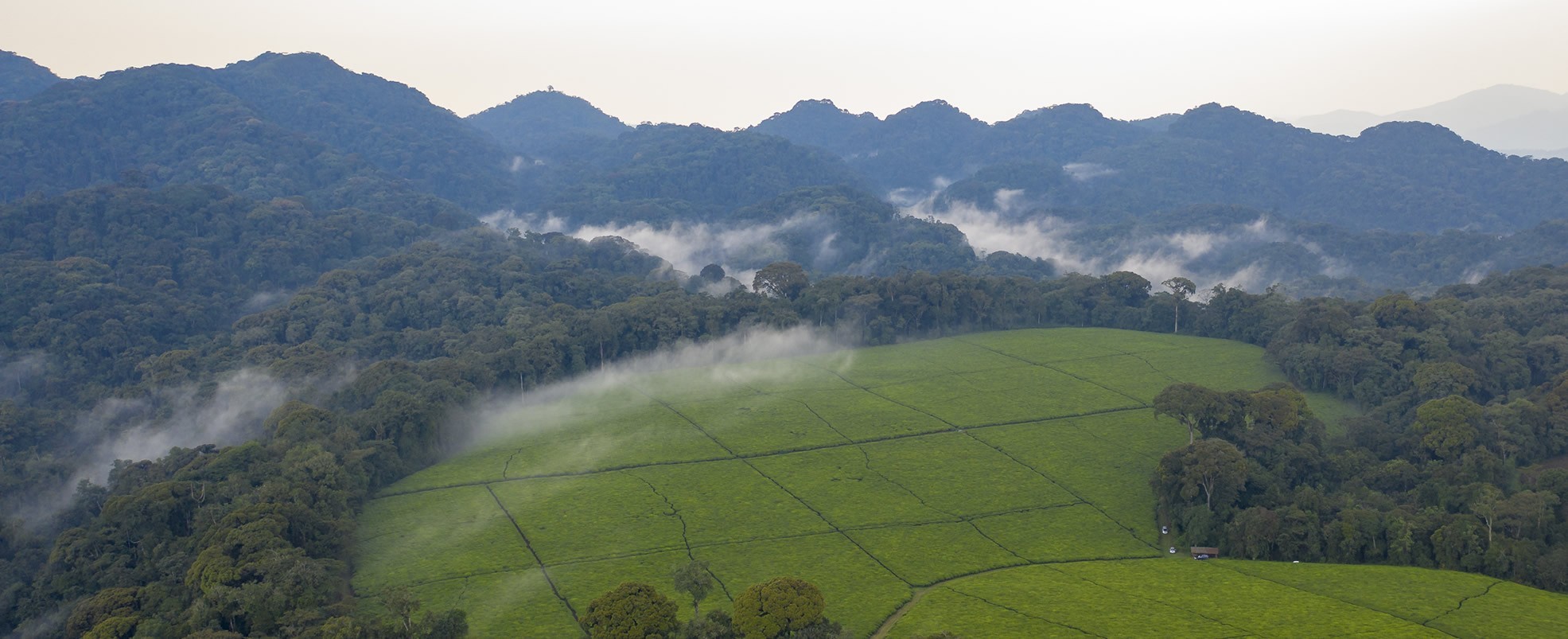
Gorilla trekking takes place in the mountainous forests of Rwanda (Volcanoes National Park), Uganda (Bwindi Impenetrable Forest and Mgahinga), and the Democratic Republic of Congo (Virunga). In each, you hike through dense vegetation to find a habituated gorilla family, then spend a regulated hour with them.
The difficulty is not in distance but in conditions. Trails are often steep, muddy, and slippery. Much of the time you are walking through thick undergrowth, sometimes off any formal path, as guides follow the gorillas’ movements from the previous day. You step over roots, duck under vines, and navigate slopes where hands are as useful as feet. Rain can fall at any time of year, turning the ground to slick mud and making footing treacherous.
Trek Duration
Total time varies enormously, and this is the single biggest unknown. Treks generally range from about 2 hours to 8 hours, including the hour with the gorillas and the walk back.
Typical range. Most treks last between 3 and 6 hours round trip. Some groups are found within 30 to 45 minutes of the trailhead, giving you a gentle outing. Others require a full day of hiking.
What determines it. Gorillas move daily in search of food, so their location shifts. Trackers go out early each morning to locate the family and radio the guides, but the distance from the start point depends on where the group nested the night before. The season matters too: in the wetter months, gorillas sometimes stay at lower elevations where food is plentiful, and in drier periods they may climb higher.
Assignments. In both Rwanda and Uganda, groups are assigned to gorilla families based on fitness and preference. Rangers will ask in the morning briefing whether you want an easier or harder trek. In Rwanda’s Volcanoes National Park, families like Sabyinyo and Amahoro are often cited as closer, while Susa (the largest group, famous for its playful members) and Karisoke typically require long, strenuous hikes. In Bwindi, the sectors of Buhoma, Ruhija, Rushaga, and Nkuringo vary: Nkuringo is notoriously steep, while parts of Buhoma and Ruhija offer gentler options.
Be honest about your ability. Requesting an easier assignment is a normal and respected choice, and it costs you nothing in the quality of the experience. The gorillas are just as wonderful whether you walk one hour or five.
Altitude
Altitude is the second factor, and it catches people off guard because the forests do not feel like high mountains.
The numbers. Volcanoes National Park in Rwanda sits between roughly 2,400 and 4,500 metres, with gorillas typically found around 2,500 to 3,500 metres. Bwindi ranges from about 1,160 to 2,600 metres, so it is generally lower than the Virunga volcanoes. Mgahinga and Virunga also sit on the higher end.
Effects. At these elevations, the air has noticeably less oxygen. Walking uphill, you will breathe harder and tire sooner than at sea level, particularly in Rwanda and Mgahinga. Most visitors do not suffer true altitude sickness at these heights, but mild symptoms such as headache, fatigue, or shortness of breath are possible, especially if you arrive straight from sea level.
Managing it. A few practical steps help considerably:
- Arrive a day or two early and spend time at Kigali (around 1,500 metres) or another moderate elevation to acclimatise gently.
- Drink plenty of water, and avoid heavy alcohol the night before.
- Walk at a slow, steady pace. Guides set a measured rhythm, and you can ask for breaks.
- Pack any personal medication, and speak to your doctor beforehand if you have heart or lung conditions.
If you are planning other high-altitude activities on the same trip, such as hiking Mount Bisoke or the Dian Fossey tomb trail, build in extra rest days.
Physical Preparation
You do not need to train like a marathoner, but the best preparation is simple: build stamina for walking uphill over uneven ground.
In the weeks before. Aim for regular walks of one to two hours, ideally on hills or with stairs. If you can walk four to five hours at a steady pace with a light daypack, you will cope with nearly any assignment. Add some leg strengthening, such as squats, lunges, and step-ups, because descending steep muddy slopes works your quads and knees hard.
Break in your boots. Sturdy, waterproof hiking boots with good ankle support and grip are among the most important items you will bring. New boots on a long muddy trek are a recipe for blisters.
Other gear. Long trousers and long sleeves protect against nettles, thorny plants, and biting insects. Gardening gloves are widely recommended because you will grab vegetation and branches for balance, and some plants sting or scratch. Bring a rain jacket regardless of season, plus gaiters if you have them to keep mud and ants out of your socks.
Who should be cautious. Anyone with serious heart or respiratory conditions, severe mobility limitations, or recent injuries should consult a doctor. Minimum age is 15 in most parks, and rangers may refuse permission if you appear unwell, since gorillas are vulnerable to human illnesses. Anyone with a cold or contagious infection will be asked to stay behind.
Hiring a Porter
For many travellers, hiring a porter is the best decision they make, and it is a practical solution to concerns about fitness.
What porters do. Porters carry your daypack, which typically holds water, a packed lunch, camera gear, and rain layers. Many also offer a steadying hand over difficult sections, pulling you up steep banks or helping you across streams. They know the terrain well and can make the hardest stretches feel manageable.
Cost. Fees are modest, generally about 15 to 20 US dollars in Rwanda and Uganda, and many visitors tip on top of that, with 10 to 20 dollars a common amount for good service. Check current rates at the park office, as they can change.
Why it matters beyond convenience. Porters are typically local community members, often from villages bordering the park. Many are former poachers or people from families who once relied on forest resources. Employment through trekking gives them an income stream directly tied to gorilla conservation, which strengthens local support for protecting the animals. Hiring one is therefore a small way of contributing to the community that coexists with the gorillas.
How to hire. Porters are assigned at the trailhead on the morning of your trek, and you can usually arrange one on the spot. In busy periods, it is wise to request one in advance through your tour operator or lodge, and to book early if you want a specific person.
Tipping and treatment. Agree on the fee clearly, carry your own camera for the moment itself, and be courteous. A good porter is as much a companion as an assistant.
Tips for the Day
Start early. Briefings are usually at around 7:00 or 7:30 in the morning, and treks begin soon after. Pack plenty of water, high-energy snacks, and a lunch. Wear layers, because mornings are cool and the climb warms you quickly.
Move at your own rhythm. Guides understand that groups include a range of abilities, and the trek is not a race. Speak up if you need a pause or have trouble.
When you reach the gorillas, you will leave bags and walking sticks behind with trackers and move in quietly with just your camera. You are asked to keep about seven metres away, though curious gorillas do not always observe this rule themselves. The hour passes quickly, and most people forget their tiredness entirely.
The Bottom Line
Gorilla trekking is accessible to anyone in reasonable health who can walk for several hours on rough ground. The three big variables are duration (anywhere from two to eight hours), altitude (up to around 3,500 metres), and terrain (steep, wet, and muddy). Manage these with sensible training, good boots, a request for an appropriate gorilla family, and a porter by your side, and the physical challenge becomes part of the adventure rather than an obstacle to it. Come prepared, go at your own pace, and the reward is an hour you will remember for the rest of your life.